Mmos World
Insight into Community Engagement Strategies in MMO Titles
Understanding MMORPG-specific community tactics is vital for developers and managers aiming to sustain player interest. This is not suitable for those managing non-MMORPG gaming communities or casual social platforms.

Common Mistakes in MMORPG Community Engagement
Many MMORPG teams repeat similar errors that can undermine long-term community vitality. First, treating MMORPG communities like generic gaming groups often results in misaligned incentives and engagement methods that fail to resonate with players. This frequently leads to reduced player retention and fragmented social bonds.
Second, neglecting the unique social dynamics of MMORPGs-such as guilds, player-driven economies, and event-driven content-often leaves community managers disconnected from the core player experience. In practice, this can reduce trust in official communication channels and stunt organic growth.
Third, overreliance on one-way communication platforms or broadcast-style announcements can alienate players who expect interactive, participatory environments. A recurring issue is the failure to facilitate meaningful player-to-player interaction and co-creation, which are often central to MMORPG longevity.
Beyond these broad errors, several more specific pitfalls frequently occur. Ignoring the importance of player recognition within the community, such as failing to highlight player achievements or contributions, can diminish motivation and engagement. Similarly, overlooking the nuances of in-game social hierarchies and power dynamics-like how guild leadership impacts community sentiment-may lead to unintended conflicts or perceptions of bias.
Another common mistake is insufficient moderation or inconsistent enforcement of community guidelines. Unchecked toxic behaviour, harassment, or exploitation can quickly erode trust and drive away valuable community members. Conversely, overly strict or opaque moderation policies can stifle healthy debate and player creativity, creating a stifling atmosphere.
Additionally, neglecting to tailor content and events to diverse player segments can limit community growth. For example, failing to address the needs of both casual and hardcore players, or ignoring the preferences of new versus veteran players, risks alienating portions of the player base. Similarly, ignoring regional or cultural differences within the community may reduce inclusivity and limit engagement.
Finally, many teams underestimate the importance of transparent and timely communication during periods of change or crisis, such as major updates, server issues, or controversial design decisions. Poor communication during these times can lead to misinformation, rumours, and player frustration, further damaging community cohesion.
When Not to Use These MMORPG-Specific Strategies
This approach is NOT for you if you manage games with primarily single-player or non-persistent multiplayer modes, where community engagement revolves less around sustained social ecosystems. In such cases, focusing on MMORPG-specific tactics may divert valuable resources without yielding expected returns.
Additionally, this focus fails when the development cycle or game design does not support dynamic content updates or player-driven events, as these are often critical for community vitality in MMORPGs. If your title lacks these elements, adopting MMORPG-centric community strategies may be less effective.
Furthermore, if your community is small or fragmented, heavily investing in complex social structures or event-driven content might overwhelm your resources and lead to poor execution. In such scenarios, a simpler, more direct engagement approach may be more appropriate.
Games with very linear progression systems or limited player agency may also find MMORPG-specific strategies less suitable. For instance, titles where player interaction is minimal or controlled strictly by the game environment do not benefit as much from tactics centred on player collaboration or emergent social dynamics.
Moreover, if your team lacks sufficient personnel or expertise to manage the ongoing demands of community moderation, event coordination, and content updates, attempting to implement MMORPG-specific community engagement can backfire. Under-resourced efforts may frustrate players and erode trust rather than build it.
Finally, games with a player base that prioritises competition or performance over social interaction might not respond well to engagement strategies focused heavily on social bonding or cooperative content. Understanding your audience’s core motivations is crucial before committing to MMORPG-style community initiatives.
Before-You-Start Checklist for MMORPG Community Engagement
- ☐ Confirm your game supports persistent, social gameplay elements like guilds or player economies.
- ☐ Identify core player motivations that extend beyond gameplay, such as social status or creative expression.
- ☐ Assess your communication channels for interactivity and two-way engagement capabilities.
- ☐ Ensure your team can support regular content updates or community-driven events.
- ☐ Review current feedback mechanisms to verify they capture nuanced player sentiment.
- ☐ Evaluate your team’s capacity for consistent and fair community moderation across time zones.
- ☐ Determine the diversity within your player base to tailor engagement strategies appropriately.
- ☐ Establish clear guidelines and transparency protocols for communication, especially during updates or issues.
- ☐ Plan resources for recognising and rewarding positive community contributions, such as spotlight features or in-game rewards.
- ☐ Consider the technological infrastructure required to support dynamic event management and real-time player interaction.
- ☐ Analyse the scalability of your engagement strategies to accommodate community growth or contraction over time.
- ☐ Prepare contingency plans for managing community crises, including rapid response communication and moderation escalation paths.
Trade-Offs in MMORPG Community Engagement Strategies
Adopting MMORPG-specific community tactics often requires significant investment in content moderation and event management, which can strain smaller teams. While these efforts foster deeper player engagement, they also elevate operational complexity. Dedicated moderation teams are essential to maintain a healthy environment but can represent a considerable ongoing cost in both time and personnel.
Another trade-off involves balancing structured events with organic player freedom; too much scripting may stifle player creativity, whereas too little may lead to disengagement. Structured events provide a shared focus and can drive community-wide participation, but they might restrict spontaneous player interactions that often generate memorable experiences and emergent gameplay.
Moreover, focusing heavily on community engagement can divert resources from core gameplay development. Although this can enhance retention, it risks underdelivering on game mechanics if not carefully managed. Striking the right balance between investing in social features and refining gameplay systems is critical to maintaining overall player satisfaction.
There is also an inherent trade-off in communication style. Highly interactive, participatory engagement demands responsiveness and adaptability from community managers, increasing workload and the risk of inconsistent messaging. Conversely, more controlled, broadcast-style communication simplifies management but may leave players feeling disconnected or unheard.
Additionally, pursuing extensive player-driven content and economies can introduce unpredictability into the game environment, requiring additional oversight and adjustments. While these systems enrich the player experience, they also increase the complexity of balancing game mechanics and preventing exploitative behaviour.
Finally, implementing MMORPG-specific strategies may increase the expectations players have for continual updates and active community involvement. Failing to meet these heightened expectations can lead to community dissatisfaction and attrition, making sustainability a key consideration when planning engagement efforts.
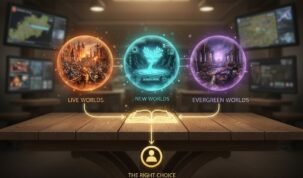
How to Choose Between These Strategies
Consider your team’s capacity to support ongoing content and community interaction, alongside your game’s design features. If your MMORPG naturally encourages player collaboration and social structures, investing in tailored community engagement strategies is likely beneficial. Conversely, if your game’s architecture or audience profile does not align with these dynamics, a more general approach might be preferable.
In practice, a phased approach-testing community initiatives on a smaller scale before full rollout-can help balance risk and reward. This allows teams to gather feedback, adjust strategies, and allocate resources more effectively.
Regularly revisiting your community engagement framework is also advisable, as player expectations and game ecosystems evolve over time. Flexibility and responsiveness are key to sustaining a vibrant MMORPG community.
This content is based on publicly available information, general industry patterns, and editorial analysis. It is intended for informational purposes and does not replace professional or local advice.
FAQ
When should I prioritise MMORPG-specific community strategies over generic gaming tactics?
Prioritise MMORPG-specific strategies when your game features persistent social systems like guilds or player economies and supports dynamic, player-driven events that foster long-term interaction.