Mmos World
The Evolution of Crafting Systems: From Basic to Complex
Understanding the evolution of crafting helps you identify which mechanics truly add value and which overcomplicate gameplay. This guide is not for casual players uninterested in deep systems or designers seeking broad game overviews.
Common Mistakes in Engaging with Crafting Systems
- Overestimating Complexity as Quality: Many players assume a crafting system’s worth increases with layers of complexity. In practice, this often leads to frustration due to unclear progression or overwhelming resource management.
- Ignoring Economy Integration: A frequent oversight is undervaluing how closely crafting ties into the in-game economy. Systems disconnected from player-driven markets may feel isolated and reduce long-term engagement.
- Neglecting Progression Impact: Crafting that does not meaningfully affect character or world progression can become a repetitive chore. Players often lose interest if their efforts don’t translate into tangible rewards or advancement.
- Failing to Plan Resource Allocation: Many players jump into crafting without considering the scarcity or replenishment rate of required materials. This can result in wasted effort gathering items that quickly become obsolete or unusable due to game updates or patches.
- Underestimating Time Commitment: Some crafting systems demand significant time inputs for relatively minor gains. Players who underestimate this may find themselves burnt out or forced to abandon crafting entirely.
- Disregarding Crafting Synergies: Overlooking how crafting interacts with other game systems such as character skills, quests, or faction reputation can limit the benefits gained from crafting and reduce overall efficiency.
When Not to Use Complex Crafting Systems
- If You Prefer Streamlined Gameplay: Highly intricate crafting systems may detract from fast-paced or combat-centric MMORPGs where players seek immediate action rather than resource micromanagement.
- When Social or Competitive Elements Dominate: In games prioritising PvP or social interaction, elaborate crafting can feel like a distraction rather than a core feature, especially if it slows down player interaction or progression.
- When Playing Casually or Limited Time Available: Players with limited playtime or casual interests may find complex crafting overwhelming or unrewarding, especially if the system requires constant attention or long grinding sessions.
- If the Crafting System Lacks Clear Rewards: Avoid investing heavily in crafting if the system does not provide meaningful or unique rewards that justify the effort, such as exclusive gear, cosmetic items, or progression boosts.
- When the Game Focuses on Story or Exploration: In MMORPGs centred on narrative or world exploration, complex crafting may interrupt immersion or slow the pacing, detracting from the core experience.
Before-You-Start Checklist for Engaging with Crafting
- ☐ Assess whether the crafting system clearly links to your character’s progression or game goals.
- ☐ Check if resource gathering fits naturally within your preferred playstyle and available time.
- ☐ Confirm the crafting mechanics integrate with the in-game economy to ensure meaningful trade or value.
- ☐ Identify if the crafting process offers varied and rewarding outcomes beyond simple item creation.
- ☐ Evaluate the learning curve and complexity-ensure it aligns with your willingness to invest time.
- ☐ Determine if crafting interacts with other systems like skills, quests, or faction standing.
- ☐ Verify whether crafted items retain value over time or become obsolete quickly.
- ☐ Consider if crafting allows for creative freedom or is overly rigid and formulaic.
- ☐ Explore community resources or guides to understand common pitfalls before committing.
Trade-Offs When Choosing MMORPG Crafting Systems
- Depth vs Accessibility: More complex systems often provide deeper engagement but can alienate casual players or newcomers. A deeply layered crafting system can offer satisfying mastery and strategic choices but may require significant time investment to fully understand. Conversely, simpler systems are easier to pick up but might lack long-term engagement or meaningful differentiation between crafted items.
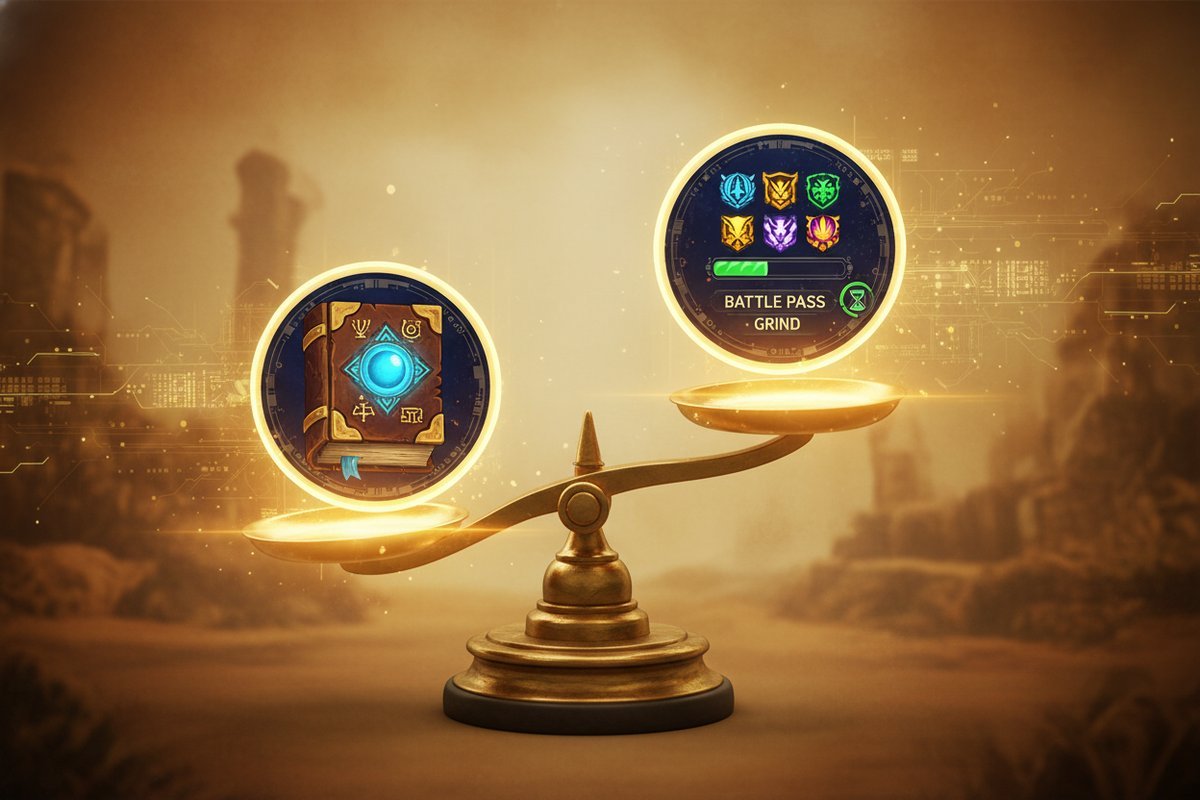
- Time Investment vs Reward: Elaborate crafting can demand significant time, which may not always result in proportionate in-game benefits. Some systems require repeated resource gathering, experimentation, or trial-and-error, which can lead to player fatigue if rewards do not feel worthwhile. Balancing the effort spent with the value of crafted items is crucial to maintaining motivation.
- Integration vs Isolation: Crafting tightly woven into progression and economy enhances immersion but risks imbalance or grind if poorly managed. When crafting affects character strength, market prices, or faction reputation, it feels meaningful and dynamic. However, if crafting becomes a bottleneck or requires excessive grinding, it can detract from broader gameplay enjoyment.
- Flexibility vs Specialisation: Some crafting systems allow players to experiment across multiple disciplines, promoting versatility. Others encourage specialisation, fostering niche roles and interdependence among players. Each approach influences social dynamics and personal satisfaction differently, depending on player preferences.
- Predictability vs Randomness: Crafting outcomes may be deterministic or influenced by chance. Systems with random elements can add excitement but also frustration, especially when rare or powerful items are involved. Predictable systems favour planning and skill but may feel monotonous without variety.
How to choose between these depends on your priorities: if you favour immersive, rewarding crafting that affects gameplay, seek systems with clear progression ties and economy interaction. For casual or combat-focused players, simpler, less time-consuming crafting may be preferable.
Understanding Crafting Evolution to Inform Your Choice
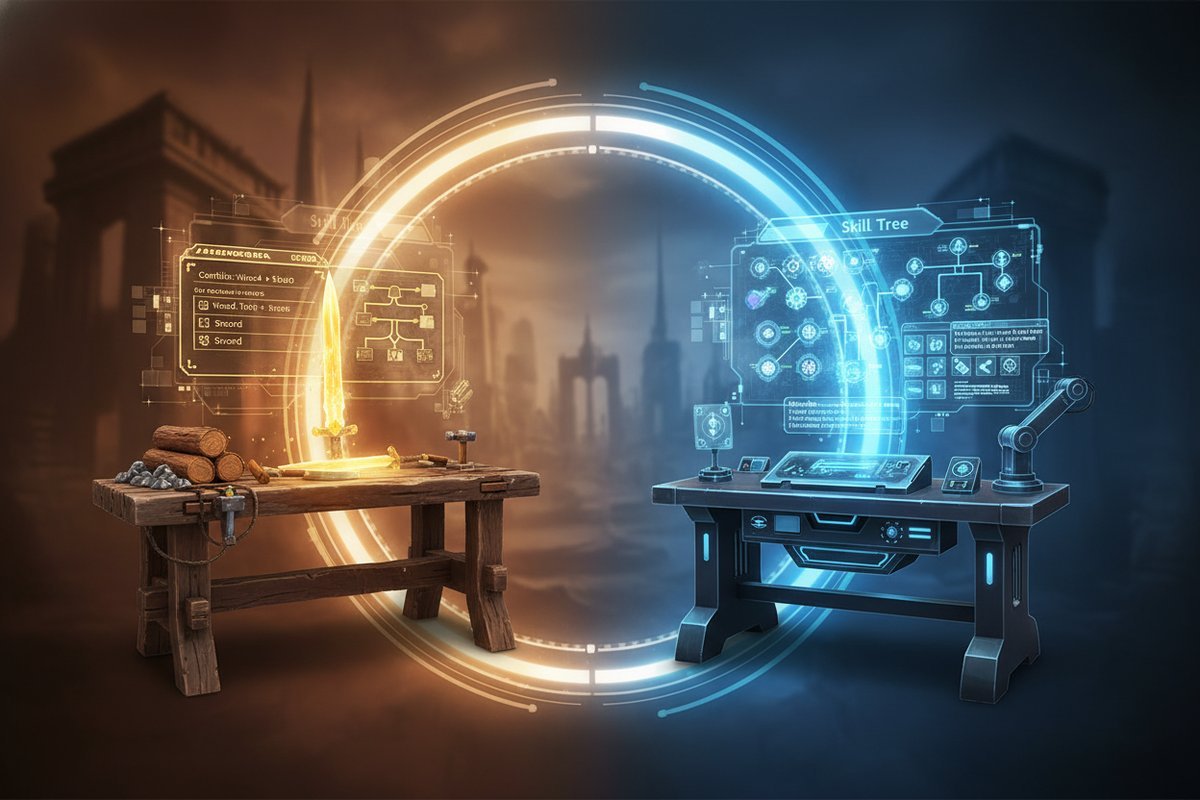
Crafting systems in MMORPGs have gradually shifted from straightforward resource gathering to multifaceted mechanics involving player progression, economy, and strategic planning. Recognising this trend helps anticipate whether a game’s crafting aligns with your style or may introduce unnecessary complexity.
In many cases, early crafting focused on gathering and combining basic materials-often a linear and limited process. Over time, systems have layered in sub-systems such as item quality tiers, specialisation paths, and market-driven supply and demand. While these innovations aim to enrich gameplay, they also introduce challenges such as resource hoarding, market manipulation, or steep learning curves.
Players and designers alike benefit from understanding these patterns: knowing when a complex system adds meaningful engagement versus when it becomes a barrier can guide better game choices or design decisions.
Ultimately, the key is balancing depth with clarity and ensuring crafting mechanics contribute positively to the overall MMORPG experience rather than detract from it.
This content is based on publicly available information, general industry patterns, and editorial analysis. It is intended for informational purposes and does not replace professional or local advice.
FAQ
When should I avoid complex crafting systems in MMORPGs?
Avoid complex crafting if you prefer fast-paced gameplay or if crafting slows down your primary activities like combat or social interaction.