Mmos World
Examining the Impact of Cross-Server Events on Player Engagement
Understanding when and how cross-server events influence player retention helps developers avoid wasted effort. This article is not for those seeking generic event ideas but for professionals refining engagement strategies.
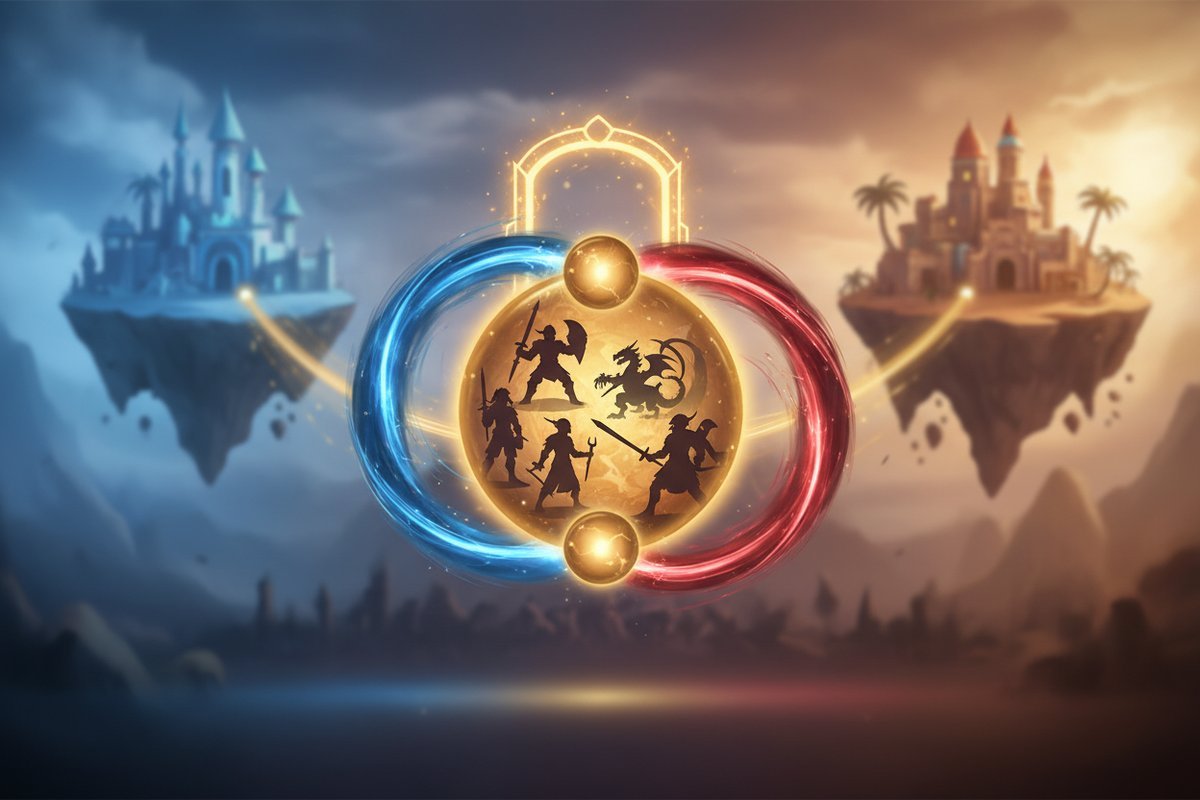
Common Mistakes in Leveraging Cross-Server Events
Many developers rush to implement cross-server events without considering their unique challenges. Here are several common pitfalls to avoid:
- Overloading Players with Complexity: Cross-server events often introduce new rules or competitive formats that can overwhelm players, leading to disengagement rather than excitement. Adding too many new mechanics or confusing interfaces without adequate tutorials can alienate even your most dedicated players.
- Neglecting Server-Specific Cultures: Treating cross-server events as identical across communities can ignore differing player expectations and playstyles, reducing the event’s appeal. Some servers may favour cooperative gameplay, while others thrive on competitive rivalry; failing to account for these differences can hurt participation.
- Ignoring Long-Term Impact: Focusing only on short-term spikes in activity without tracking sustained engagement can result in missed opportunities to refine event design for retention. Without proper analysis post-event, developers may overlook what aspects truly foster ongoing player interest.
- Underestimating Technical Limitations: Many developers do not fully assess their infrastructure’s ability to handle increased load from cross-server interactions. This can result in server crashes, lag spikes, or data inconsistencies that damage the player experience.
- Poor Communication and Support Planning: Inadequate preparation for cross-server coordination often leads to player confusion and frustration. This includes unclear instructions, insufficient customer support, and lack of timely updates during the event.
- Failing to Balance Competitiveness: Overly competitive event formats can discourage casual or new players, especially if matchmaking does not account for skill disparities. This creates barriers to entry and may reduce overall participation.
- Ignoring Feedback Loops: Not establishing mechanisms to collect and incorporate player feedback during and after the event can stall improvements and reduce player trust in future events.
When Not to Use Cross-Server Events
Cross-server events are not always the optimal choice. Consider avoiding them in the following situations:
- Small or Fragmented Player Bases: If each server has too few active players, cross-server events can fail to generate meaningful competition or cooperation. This can lead to long wait times for matchmaking or unbalanced teams.
- Highly Competitive Communities with Toxic Behaviour: Cross-server events can amplify conflicts, discouraging more casual or new players from participating. If toxicity is prevalent, merging servers may increase harassment and dissatisfaction.
- Servers with Vastly Different Time Zones: When servers operate primarily in non-overlapping time zones, synchronising event schedules becomes challenging, limiting player participation and engagement.
- Limited Technical or Support Resources: If your team lacks the bandwidth to monitor and manage cross-server interactions effectively, it may be wise to avoid these events until adequate resources are in place.
- When Event Goals Do Not Require Inter-Server Interaction: If the primary objectives focus on local community building or server-specific storylines, cross-server events may dilute the experience and reduce the sense of identity.
- High Risk of Exploits or Cheating: Cross-server environments can introduce new vectors for exploits. If anti-cheat systems are not robust enough, these events can be exploited, undermining fairness.
Before-You-Start Checklist for Cross-Server Events
To maximise the effectiveness of cross-server events, ensure the following are in place:
- ☐ Clear understanding of player demographics and server cultures to tailor event design
- ☐ Robust matchmaking systems that balance competitiveness without alienating casual players
- ☐ Communication channels prepared for cross-server coordination and support
- ☐ Metrics framework focused on both immediate and prolonged engagement tracking
- ☐ Contingency plans for potential technical issues specific to cross-server interactions
- ☐ Scalability testing of servers and network infrastructure to handle increased concurrent connections
- ☐ Comprehensive moderation tools and policies to manage cross-server disputes and toxic behaviour
- ☐ Clear, accessible tutorials and guidance tailored to the event’s unique mechanics
- ☐ Plans for incremental rollouts or beta testing phases to gather early feedback and identify problems
- ☐ Well-defined success criteria and KPIs covering both player satisfaction and technical performance
- ☐ Coordination with marketing and community teams to ensure consistent messaging and hype generation
- ☐ Backup and recovery protocols to protect against data loss or corruption during high-load scenarios
Trade-Offs of Cross-Server Events
Implementing cross-server events involves balancing several advantages and drawbacks:
- Pros: Potential for increased player interaction, fostering larger communities and revitalising interest through fresh competition. These events can break down silos between servers, encourage socialisation, and introduce new gameplay dynamics that keep the experience fresh.
- Cons: Increased technical complexity can strain infrastructure and introduce bugs that frustrate players. Synchronising data across multiple servers, maintaining fairness in matchmaking, and ensuring consistent performance require significant development effort.
- Hidden Costs: Greater demand on moderation and support resources to manage disputes and usability issues arising from diverse player groups. Cross-server play can amplify language barriers, cultural misunderstandings, and behavioural issues, necessitating enhanced support frameworks.
- Community Impact: While cross-server events can energise a player base, they may also dilute local server identities and traditions, potentially causing friction among established communities.
- Development Overhead: Additional QA and testing cycles are needed to cover the complexity of multi-server interactions, which can increase time to market and resource allocation.
How to Choose Between Cross-Server and Single-Server Events
Deciding factors include the size and cohesion of your player base, technical capacity, and engagement goals. Single-server events may better suit tight-knit communities prioritising local interaction, while cross-server events can invigorate larger ecosystems if carefully designed.
Ultimately, consider testing smaller-scale cross-server initiatives before full deployment to gauge player response and operational demands.
This content is based on publicly available information, general industry patterns,
and editorial analysis. It is intended for informational purposes and does not
replace professional or local advice.
FAQ
When should I prioritise cross-server events over single-server events?
Cross-server events tend to be more effective when your player base is large and varied enough to benefit from fresh competition or collaboration beyond their usual server, provided your infrastructure can handle increased complexity.