Mmos World
Predictions for Social Interaction Trends in MMORPG Communities
Understanding emerging social patterns helps you retain players and enhance teamwork. This article is not for those uninterested in social design or community management.

Common Mistakes in Managing MMORPG Social Dynamics
- Overemphasising Competitive Elements – While competition can engage, relying too heavily on it often alienates casual players, reducing long-term retention. Watch out for communities fracturing into hostile sub-groups. Excessive focus on leaderboards and rankings can create a toxic environment where only top players feel valued, discouraging newcomers and less skilled participants from contributing meaningfully.
- Ignoring Informal Social Spaces – Many miss the value of unstructured chat or off-quest interactions. Neglecting these areas can limit natural collaboration and bonding among players. Informal spaces such as taverns, player housing, or simple gathering spots encourage spontaneous friendships and shared experiences that structured gameplay alone cannot foster.
- Failing to Support Diverse Communication Styles – Assuming all players prefer the same interaction mode leads to exclusion. Some prefer voice, others text, and some visual cues. Overlooking this diversity reduces inclusivity. Additionally, failing to accommodate language differences or accessibility needs such as subtitles and colourblind-friendly interfaces can further alienate parts of the community.
- Underestimating the Importance of Moderation – Lack of active and fair moderation allows harassment, griefing, and toxic behaviours to flourish. This can quickly degrade the player experience and drive away both new and veteran players. Moderation must balance enforcement with community trust, avoiding overly heavy-handed or inconsistent approaches.
- Ignoring Player-Driven Content and Social Events – Many developers neglect to empower players to create their own social events, guild activities, or community challenges. This oversight can lead to stagnation in social engagement, as players feel less ownership and investment in the game’s social fabric.
- Overloading Players with Social Features – Introducing too many social systems or complex interaction mechanics at once can overwhelm players, especially newcomers. This can result in confusion, frustration, or disengagement if the social landscape feels intimidating or cluttered.
- Neglecting Cross-Platform and Cross-Region Social Integration – In a global player base, failing to support cross-platform communication or ignoring regional social norms risks fragmenting the community and reducing overall cohesion.
When Not to Use Social-First Approaches
- This is NOT for you if your game targets solo players exclusively. Social dynamics matter less when player interaction is minimal or optional. If your core gameplay loop is designed for solitary progression or narrative exploration, investing heavily in social systems may divert resources unnecessarily.
- This approach fails when technical infrastructure cannot support real-time communication or community tools. Poorly implemented social features may frustrate players more than help. Lagging voice chat, unreliable messaging, or clunky group management tools can detract from gameplay instead of enhancing it.
- When your player base prefers quick, transient interactions over deep social bonds. Games focused on short sessions or fast matchmaking might not benefit from persistent social features, which can feel cumbersome or irrelevant to such players.
- If your MMORPG emphasises high-stakes, competitive PvP with minimal downtime. Social features that slow gameplay or encourage extended interaction breaks may clash with the intended pacing and player expectations.
- When moderation resources are unavailable or insufficient. Introducing complex social features without the capacity to manage community behaviour risks unchecked toxicity that can severely damage the game’s reputation.
Before-You-Start Checklist for MMORPG Social Design
- ☐ Identify core player interaction styles relevant to your community.
- ☐ Review existing in-game social spaces and assess engagement levels.
- ☐ Ensure communication tools cover multiple formats (text, voice, visual signalling).
- ☐ Plan moderation and support mechanisms to foster positive social behaviour.
- ☐ Consider how social features integrate with gameplay objectives without overshadowing them.
- ☐ Assess accessibility needs such as language options, subtitle support, and visual clarity.
- ☐ Evaluate the technical infrastructure’s capacity to support real-time communication robustly.
- ☐ Develop clear community guidelines and ensure they are easily accessible to players.
- ☐ Plan for player-driven social content, like guilds, events, or cooperative challenges.
- ☐ Design onboarding tutorials or tools to introduce new players to social features gradually.
- ☐ Consider cross-platform and cross-region social compatibility to unify your player base.
- ☐ Prepare contingency plans for scaling moderation efforts as the community grows.
Trade-Offs When Prioritising Social Interaction in MMORPGs
- What You Sacrifice: Focusing on social systems may take resources from content creation or technical optimisation. Time and budget allocated to developing social features might reduce the frequency or quality of new quests, storylines, or performance improvements.
- Hidden Costs: Increased moderation needs and potential for social conflicts require ongoing investment. Moderators, community managers, and automated tools must be maintained and updated continually to handle disputes, prevent harassment, and encourage positive interaction.
- Complexity: More social features can complicate user onboarding and overwhelm new players. Without careful design, players may struggle to understand or access social tools, leading to frustration or disengagement. This can also increase support requests and strain customer service resources.
- Balancing Gameplay and Social Interaction: Integrating social features without disrupting core gameplay is challenging. Overemphasis on social systems risks slowing game pacing or distracting from individual player goals, potentially alienating those who prefer a more focused experience.
- Community Fragmentation: Extensive social options can lead to cliques or exclusive groups that isolate other players. Without thoughtful design and inclusive incentives, social mechanics might unintentionally divide the player base.
- Privacy and Safety Concerns: Social features increase exposure to potential privacy risks and inappropriate behaviour. Developers must invest in robust safety measures, reporting tools, and clear policies to protect users, which can be resource-intensive.
How to Choose Between Social Interaction Strategies
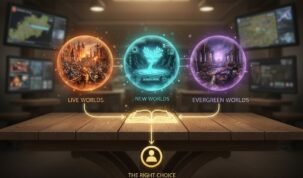
Decide based on your player base’s preferences and your game’s core design. For communities thriving on cooperation, invest in flexible communication and informal spaces. If your audience values solo play or fast-paced competitive gameplay, limit social complexity to avoid alienation.
Monitor ongoing player behaviour patterns and be ready to adjust social features to maintain balance between engagement and accessibility.
This content is based on publicly available information, general industry patterns, and editorial analysis. It is intended for informational purposes and does not replace professional or local advice.
FAQ
When should I prioritise social features in MMORPG design?
Prioritise social features when your player base values cooperation and community bonding, especially if gameplay encourages group activities and long-term engagement.