Mmos World
The Growing Influence of Esports on MMORPG Design Philosophy
Understanding esports’ influence on MMORPG design is crucial for developers aiming to evolve gameplay dynamics. This article is not suited for casual players uninterested in design philosophies or esports trends.
Esports Mechanics Influencing MMORPG Design
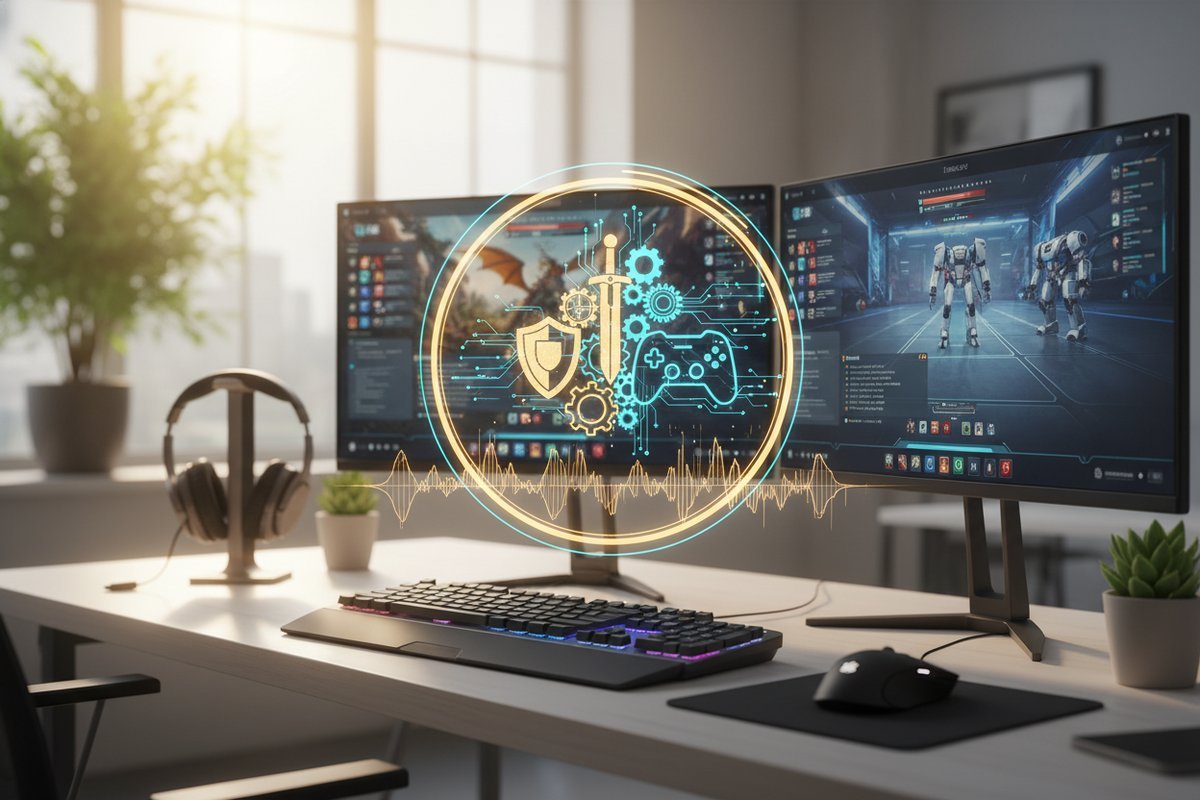
One common oversight in MMORPG development is neglecting the esports principle of easily quantifiable game states. MOBAs have long emphasised clear, measurable metrics to inform player decisions, which enhances competitive clarity and engagement. MMORPGs adopting similar approaches encourage players to assess their performance and adjust strategies dynamically, fostering deeper involvement.
However, blindly transplanting esports mechanics risks alienating traditional MMORPG players who value immersion and narrative over competition. The challenge lies in blending clear competitive feedback without sacrificing the expansive, open-ended nature of MMORPG worlds.
Common Mistakes in Integrating Esports Features
- Overemphasis on Quantification: Many developers focus too heavily on statistical displays and rankings, which can overwhelm players seeking exploration and social interaction rather than competition. This leads to an environment where players feel pressured to optimise numbers rather than enjoy the world or the story.
- Neglecting Emotional Engagement: Esports-inspired designs sometimes ignore the emotional design elements essential in MMORPGs, such as storytelling, immersive world-building, and adaptive music. Without these, players may find the experience sterile, reducing long-term attachment and emotional investment.
- Ignoring Player Diversity: Esports-style balance often targets a core competitive audience, sidelining casual or role-play-focused players, which can fragment the community. Failing to accommodate different playstyles risks alienating significant portions of the player base.
- Insufficient Social Systems Integration: Competitive mechanics introduced without integrating them into the social fabric of MMORPGs can feel disconnected. Features like leaderboards or rankings that neglect guilds, friendships, or cooperative play diminish the sense of community vital to MMORPGs.
- Poor UI/UX Design for Competitive Data: Introducing complex performance metrics without clear, accessible user interfaces can confuse or frustrate players, especially those new to esports concepts, leading to disengagement.
- Inadequate Balance and Tuning Resources: Esports demands rigorous, ongoing balancing of classes, abilities, and items. MMORPG developers who lack the resources or processes to maintain this can create imbalanced gameplay that frustrates players and undermines competitive integrity.
- Overloading Players with Real-Time Feedback: While real-time data is essential in esports, excessive on-screen information can detract from the immersive experience of an MMORPG, overwhelming players and distracting from exploration or narrative focus.
These mistakes can lead to reduced player retention and a fractured player base, undermining long-term success.
When Not to Prioritise Esports Elements
This esports-influenced design approach is NOT ideal if your MMORPG targets a primarily casual or narrative-focused audience. If your game’s strength lies in social storytelling, exploration, or player-driven economies, emphasising competitive mechanics could detract from its core appeal.
Additionally, games with limited development resources might struggle to balance esports features without compromising stability and content depth, as esports integration often demands rigorous balancing and real-time feedback systems.
Other scenarios where esports features might not be suitable include:
- Games Emphasising Role-Playing and Character Customisation: Players deeply invested in role-play and character development may find competitive frameworks intrusive or limiting, as these often prioritise standardised metrics over personal storytelling.
- Titles Focused on Exploration and World Discovery: If the game’s primary draw is uncovering lore, secret locations, or environmental storytelling, an esports-driven competitive focus may pull attention away from these elements.
- MMORPGs with Strong Community-Driven Content: In games where player-driven economies, politics, or collaborative events dominate, introducing direct competition could disrupt cooperative dynamics and shared goals.
- Games Targeting Older or More Casual Demographics: Players who prefer relaxed, low-pressure gameplay may be alienated by the intensity and pace of esports-style mechanics, potentially leading to disengagement.
- Projects with Limited Post-Launch Support: Esports features generally require continuous support, balancing, and content updates. Without a committed development team, these elements can degrade player experience over time.
Before-You-Start Checklist for Developers
- ☐ Evaluate your primary player demographic: Are they competitive or casual?
- ☐ Assess current game systems for quantifiable metrics that players can easily interpret.
- ☐ Review emotional design elements (e.g., adaptive audio, narrative hooks) to maintain player immersion alongside competition.
- ☐ Consider the technical capacity to implement real-time feedback and balancing systems common in esports.
- ☐ Consult player communities to gauge appetite for competitive features versus traditional MMORPG elements.
- ☐ Analyse existing social systems to ensure competitive features complement rather than disrupt community interactions.
- ☐ Plan for ongoing balancing and tuning resources required to sustain competitive integrity.
- ☐ Develop intuitive UI/UX solutions for presenting competitive data without overwhelming players.
- ☐ Ensure that competitive mechanics can be optionally engaged or disengaged to accommodate diverse playstyles.
- ☐ Prepare contingency plans to monitor and address player feedback post-implementation to refine the balance between esports and MMORPG elements.
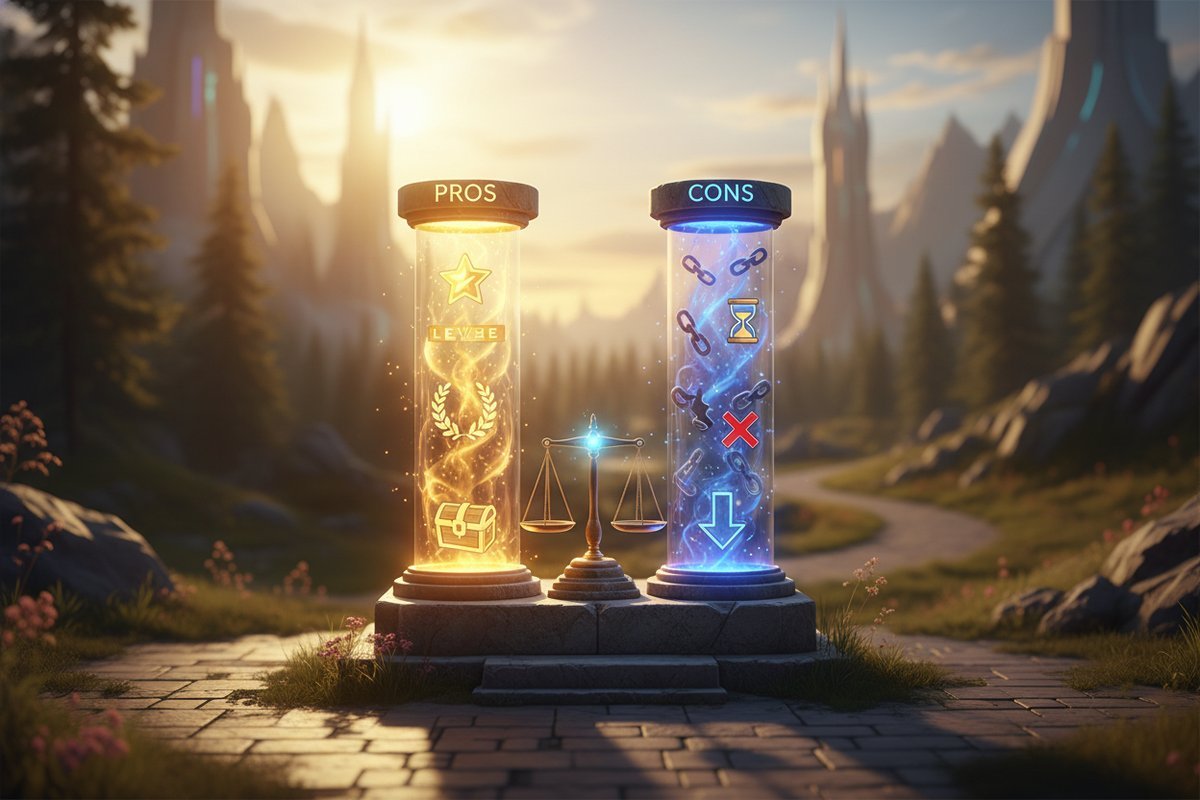
Trade-Offs When Merging Esports and MMORPG Design
- What You Gain: Enhanced player engagement through clear performance metrics, which can motivate players to improve and compete. Integration of esports elements can drive participation in tournaments and competitive events, fostering vibrant esports communities that may increase visibility and longevity of the game.
- What You Sacrifice: Possible dilution of narrative immersion and exploration. The introduction of rigid competitive frameworks may limit player freedom and creativity, narrowing the diverse experiences MMORPGs traditionally offer. Non-competitive players might feel marginalised, which risks fragmenting the community and reducing overall player retention.
- Hidden Costs: Development complexity increases significantly. Maintaining balanced gameplay requires constant data analysis, patching, and adjustments, often demanding dedicated teams and sophisticated infrastructure. Real-time analytics and competitive UI components add layers of technical challenge, potentially impacting game performance and stability if not well managed.
- Community Dynamics: Introducing competition can shift player interactions, sometimes fostering rivalry or toxicity if not carefully moderated. It may also reduce opportunities for cooperative gameplay, changing the social fabric that defines many MMORPGs.
- Design Constraints: Balancing for competitive fairness may force developers to limit content variety or complexity, reducing the breadth of experiences available to players outside of competitive contexts.
Choosing how to integrate esports elements requires weighing these factors carefully to avoid undermining your game’s unique strengths.
How to Choose Between These Approaches
Deciding whether and how to incorporate esports-inspired design into an MMORPG depends on your target audience, resource availability, and core gameplay goals. For games leaning towards competitive PvP and measurable skill expression, esports mechanics can offer valuable frameworks. Conversely, for titles prioritising expansive worlds, social narratives, or casual play, esports elements should be integrated sparingly or avoided to preserve player experience.
Effective integration means tailoring esports components so they enhance rather than overshadow traditional MMORPG qualities. This can include optional competitive modes, hybrid systems that reward both exploration and skill, or layered interfaces that cater to different player preferences. Ultimately, the choice should align with the game’s vision and the community’s desires, ensuring that the final product feels cohesive and engaging for its intended audience.
FAQ
Should MMORPG developers always integrate esports features to stay relevant?
Not necessarily. Integration should align with the game’s audience and design goals. Competitive features benefit games targeting skill-based PvP, but may detract from titles focused on storytelling or casual play.
This content is based on publicly available information, general industry patterns, and editorial analysis. It is intended for informational purposes and does not replace professional or local advice.