Mmos World
How Player-Driven Economies Are Shaping Modern MMORPGs
Understanding how player-driven markets shape game design and social dynamics is crucial for developers and players aiming to engage deeply. This article is NOT suited for casual gamers uninterested in economic mechanics or developers focusing solely on PvE content.
Why Player-Driven Economies Matter in Modern MMORPGs
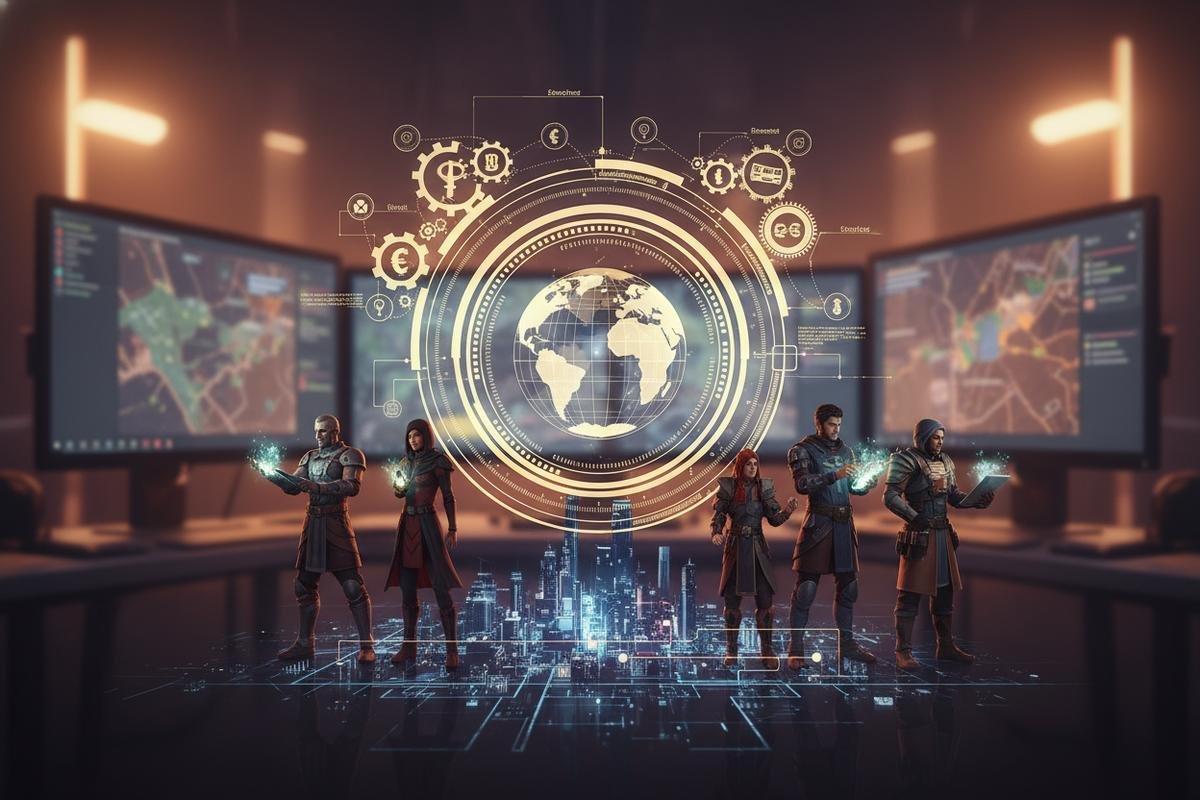
Player-driven economies are more than just in-game shops or currency exchanges; they directly influence player behaviour, gameplay pacing, and the social fabric of MMORPGs. Unlike traditional static economies, these markets rely heavily on player crafting, trading, and resource management, which can shape how developers design content and balance progression.
For example, games like Albion Online demonstrate how nearly all gear is player-crafted, making market dynamics a core gameplay element. This shifts power to the player community, encouraging cooperation, competition, and economic strategising. However, such systems also introduce challenges that must be carefully managed.
Common Mistakes with Player-Driven Economies
- Ignoring Economic Impact on Player Engagement: Many developers treat economies as secondary features. This leads to unbalanced item values, inflation, or market crashes, which frustrate players and reduce long-term engagement.
- Overcomplicating Market Systems: Complex trading and crafting mechanics without clear guidance can overwhelm new players, alienating a significant share of the community who might otherwise contribute to the economy.
- Lack of Monitoring and Adjustment: Without ongoing oversight, player-driven markets can be exploited by monopolies or bots, damaging trust and social dynamics within the game.
- Neglecting Resource Sinks: Failing to implement effective resource sinks can result in excessive currency accumulation, driving inflation and devaluing player efforts.
- Unbalanced Crafting Trees: When crafting materials or recipes are unevenly distributed or overly complex, certain items become either too scarce or too common, disrupting market equilibrium.
- Ignoring Player Motivation Diversity: Economies that cater only to high-end crafters or traders risk alienating casual players who may feel excluded from meaningful participation.
- Poor Communication of Economic Changes: Sudden changes to crafting rules, item values, or currency systems without adequate player notification can cause confusion and backlash.
- Failing to Address Market Saturation: Overproduction of certain goods without proper demand management leads to market gluts, resulting in wasted player time and diminished economic incentives.
- Neglecting the Impact of External Factors: Ignoring how game updates, expansions, or seasonal events affect supply and demand can cause unintended economic disruptions.
- Underestimating the Role of Player Psychology: Overlooking how scarcity, perceived value, and player-driven narratives influence buying and selling decisions can result in poorly balanced economies.
Before-You-Start Checklist for Developers and Players
- ☐ Ensure crafting systems are accessible but offer depth for advanced players.
- ☐ Design in-game currency and item values with inflation control mechanisms.
- ☐ Implement monitoring tools to detect market manipulation or exploits.
- ☐ Provide players with clear information about market trends and crafting benefits.
- ☐ Encourage community feedback loops to align economy design with player behaviour.
- ☐ Develop resource sinks such as repair costs, consumable items, or fees to prevent currency hoarding.
- ☐ Balance crafting materials distribution to avoid bottlenecks or oversupply.
- ☐ Create tutorials and support materials that demystify trading and crafting mechanics for new players.
- ☐ Plan for regular economic audits to assess the health of the market and make timely adjustments.
- ☐ Foster player-driven events or marketplaces that encourage social interaction and economic activity.
- ☐ Establish clear policies and enforcement against botting, cheating, and market manipulation.
- ☐ Integrate communication channels focused on economic updates and player concerns.
- ☐ Design scalable systems that can adapt to changes in player population and activity levels.
- ☐ Include mechanisms to reward diverse styles of play, ensuring both casual and hardcore players find economic participation rewarding.
When Not to Prioritise Player-Driven Economies
This approach is NOT ideal if your MMORPG focuses primarily on solo PvE content where economic interaction is minimal. Similarly, if your target audience prefers straightforward, casual gameplay without complex social or economic systems, a player-driven market could overcomplicate their experience.
In cases where server populations are small or highly transient, relying on player-driven economies may lead to unstable markets and poor gameplay balance. For instance, games with frequent server resets or ephemeral worlds might struggle to maintain a consistent economic environment.
Additionally, when the core gameplay loop centres around fast-paced action or competitive PvP without significant crafting or trading elements, investing heavily in a player-driven economy may divert resources from essential combat or progression mechanics.
Furthermore, games targeting younger or less experienced demographics might find complex economic systems intimidating, reducing overall player retention and satisfaction.
Another scenario to avoid prioritising player-driven economies is when the game’s narrative or progression is heavily scripted or linear, where player influence on the broader world economy is minimal or irrelevant. Similarly, if the design philosophy emphasises streamlined, pick-up-and-play sessions, elaborate economic systems could hinder accessibility and player enjoyment.
Finally, if the game’s monetisation model is based on direct purchases rather than in-game trading or crafting, player-driven economies may conflict with business goals or create imbalances that discourage spending.
Trade-Offs in Player-Driven Economic Systems
- Pros: Fosters deep player engagement and social interaction; enables organic content creation via crafting and trading; can create emergent gameplay narratives; enhances replayability by giving players meaningful goals beyond combat. These economies often build rich communities centred on collaboration, negotiation, and shared achievements, creating a dynamic environment that evolves with player input.
- Cons: Requires significant developer resources to monitor and balance; risk of market manipulation or inflation; can alienate casual players if too complex; potential for economic stagnation if a few players dominate the market. The unpredictability of player behaviour means economies can sometimes spiral out of control, requiring constant intervention that detracts from other development priorities.
- Hidden Costs: Time spent managing economic health may detract from other content development; player frustration from economic imbalances can lead to churn; constant adjustments may cause player fatigue if changes feel unpredictable or unfair; additional infrastructure needed for monitoring tools and anti-exploit measures. Moreover, discrepancies between player expectations and economic realities can foster distrust, harming community morale.
- Design Challenges: Balancing accessibility with depth is difficult; maintaining fairness across diverse player skill levels and engagement patterns requires ongoing effort; avoiding pay-to-win scenarios linked to economic advantages is crucial to player trust. Careful tuning is needed to ensure that economies reward effort without enabling dominant players to monopolise resources or market power.
- Community Impact: Economies can strengthen social bonds through trade and cooperation, but they can also foster toxicity if monopolies or unfair practices arise; ensuring transparency and player agency is vital to maintaining a healthy atmosphere. When players feel empowered to influence the economy positively, the game world feels more alive, but unchecked greed or exploitation can fracture communities.
- Technical Considerations: Implementing robust and scalable systems for tracking transactions and item flows is complex and resource-intensive. The infrastructure must also handle large volumes of data without compromising performance or security, particularly in popular MMORPGs with thousands of concurrent users.