Mmos World
Unlock Your Character’s Potential: A Step-by-Step Guide to Skill Customization in MMORPGs
Understanding how to tailor your skills effectively can transform your gameplay. This guide is not for beginners unfamiliar with basic MMORPG mechanics or those seeking generic advice.
Step 1: Assess Your Character’s Core Role
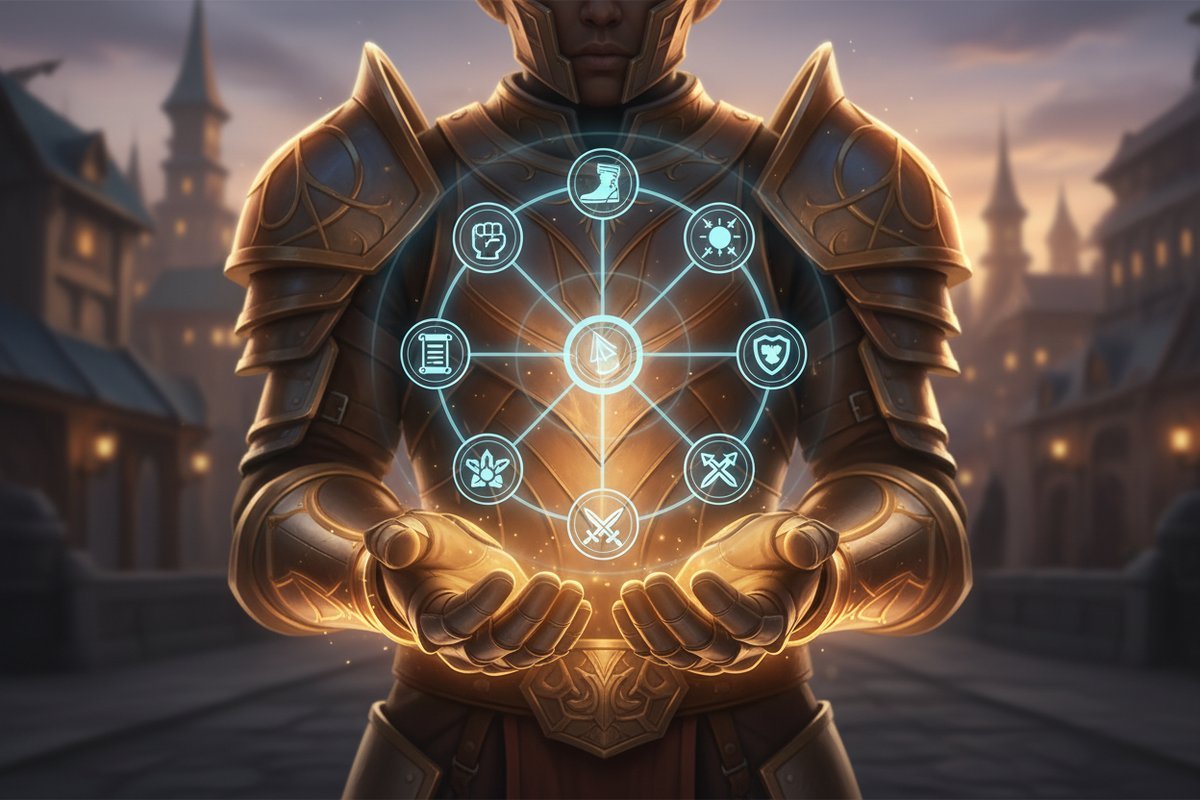
What to do: Start by defining what your character’s primary function is-be it tanking, damage dealing, or support. Focus your skill choices around this role.
Common mistake here: Over-specialising too early or trying to cover every role dilutes effectiveness and slows progression.
How to verify success: Test your build in typical scenarios and check if your skills complement your role without redundancy.
Skip this step if you’re experimenting casually or have no specific role in mind.
Step 2: Prioritise Skill Synergy Over Raw Power
What to do: Select skills that amplify each other’s effects-for example, combining a debuff skill with a high-damage ability that exploits that debuff.
Common mistake here: Choosing powerful standalone skills without considering their interaction often leads to wasted potential.
How to verify success: Observe if your combos yield stronger results than individual skills alone, especially in group play.
Skip this step if your build relies on solo play without complex synergy.
Step 3: Balance Between Offense, Defence, and Utility
What to do: While focusing on your core role, allocate some skill points to defensive or utility skills to increase survivability and versatility.
Common mistake here: Ignoring defence or utility can leave your character vulnerable, stalling progress in challenging content.
How to verify success: Monitor your survival rate and ability to adapt to different battle conditions.
Skip this step if you play in highly controlled environments or with strong team support.
Step 4: Regularly Reassess and Adapt Skills
What to do: Game metas and personal playstyles evolve, so revisit your skill setup regularly and tweak as needed.
Common mistake here: Sticking rigidly to one setup can make your character obsolete as challenges change.
How to verify success: Keep track of performance in various content and adjust when you notice diminishing returns.
Skip this step if you are in early game stages or casual play.
Step 5: Test Your Build in Real Situations
What to do: Put your skills to the test in dungeons, raids, or PvP to identify weak points and strengths.
Common mistake here: Relying solely on theorycrafting or simulators can overlook practical issues like mana drain or cooldown timings.
How to verify success: Look for smooth combat flow, ability to handle different enemy types, and minimal downtime.
Skip this step only if you want to purely focus on solo questing.
Common Mistakes in Skill Customization
- Over-Specialisation: Many players lock into narrow builds quickly, limiting adaptability and causing struggle in diverse scenarios.
- Ignoring Skill Synergy: Selecting skills individually without considering their combined effect results in suboptimal performance.
- Neglecting Defensive or Utility Skills: Focusing solely on damage or healing can leave characters vulnerable and less effective in team play.
- Failing to Manage Resource Costs: Choosing high-cost abilities without considering your mana or stamina pool can cause frequent skill downtime and disrupt combat flow.
- Overlooking Cooldown Timings: Using skills that share cooldowns or overlap inefficiently reduces your overall damage or support output.
- Ignoring Environmental or Encounter Specifics: Not adapting your skills to different zones or enemy types can make otherwise strong builds underperform.
When Not To Use This Guide
- This is NOT for you if you’re a complete beginner unfamiliar with core MMORPG concepts; you may find the steps overwhelming.
- If you prefer generic or theory-only guides, this practical, decision-focused approach might not suit your style.
- If you enjoy casual or purely exploratory play, where optimisation is secondary to experience and storytelling.
- When you are using a highly specialised or preset skill tree designed by the game or community, this guide’s flexibility may be unnecessary.
- If your gameplay is limited to solo questing with minimal combat challenges, detailed build optimisation may not provide significant benefits.
Before-You-Start Checklist
- ☐ Identify your character’s primary role clearly.
- ☐ Review available skills for potential synergies.
- ☐ Allocate points to at least one defensive or utility skill.
- ☐ Prepare to test your build in varied gameplay environments.
- ☐ Plan for periodic reassessment of your skill setup.
- ☐ Check your available resources (mana, energy, stamina) to ensure sustainability.
- ☐ Familiarise yourself with skill cooldowns to avoid clashes.
- ☐ Consider your team’s composition if playing group content to avoid role overlap.
- ☐ Ensure your build allows some adaptability for encounter-specific requirements.
Trade-Offs in Skill Customization
- Specialisation vs Flexibility: Focusing deeply on one role increases power but reduces adaptability. For example, a pure damage dealer may struggle in defensive scenarios, while a hybrid build might lack peak effectiveness but survive longer.
- Complexity vs Usability: Synergistic builds often require more management, such as timing multiple skills and monitoring debuffs. This can slow down reaction times and overwhelm less experienced players.
- Time Investment: Regularly testing and adjusting your build demands time you might otherwise spend questing or socialising. This can affect enjoyment for players who prefer a more relaxed pace.
- Resource Management vs Raw Output: High-damage or high-utility skills may consume significant resources, risking downtime. Balancing powerful abilities with sustainable resource use is crucial.
- Team Compatibility vs Solo Efficiency: Skills optimised for group play might be less effective when playing alone, and vice versa. Choosing a build that suits your preferred playstyle and environment is essential.
Most Guides Miss This: Practical Troubleshooting
One recurring issue is that players fail to notice when skills become redundant as they progress. Regularly check cooldown overlaps and resource costs to avoid wasted effort. If you find yourself frequently running out of mana or having abilities clash in timing, it’s a sign your setup needs rebalancing.
Additionally, don’t underestimate the value of community feedback and observing successful builds in current game patches as starting points rather than strict templates. Engaging with forums and in-game groups can provide insights into common pitfalls and emerging strategies.
Also, be aware of how your equipment and stats interact with your skills. Sometimes, suboptimal gear can hinder your skill effectiveness, so ensure your items complement your chosen build.
FAQ
What if I’m unsure about my character’s role when customizing skills?
Start by experimenting with a core role that feels most natural, then adjust based on what skills complement that role. Avoid spreading your points too thin initially. Over time, gameplay experience will clarify which role suits you best.
Should I always prioritise skill synergy over raw power?
Generally yes, as synergistic skills multiply effectiveness. However, if you focus on solo content with simple encounters, raw power can be sufficient temporarily. Keep in mind that synergy often pays off more in complex or group encounters.
When is it best to reassess my skill build?
Reassess after major game updates, when encountering new content types, or if you notice a drop in your performance or survivability. Also, if your preferred playstyle or team composition changes, it’s worth revisiting your build.
This content is based on publicly available information, general industry understanding, and common player experiences within MMORPG communities in the United Kingdom.