Mmos World
Solo-Friendly Design: Is It Killing the Community Spirit in MMORPGs?
This shift isn’t accidental—it’s survival. With the average gamer now aged 35+ with a full-time job and family commitments, spending three hours spamming “LFG” (Looking For Group) in a chat channel isn’t nostalgia; it’s a barrier to entry. Developers have realised that if they force players to coordinate schedules, those players simply quit. However, relying on these solo-friendly tools comes with a social price tag that many players don’t notice until it’s too late. This guide examines the reality of “playing alone together,” who actually benefits from these systems, and the specific trade-offs you make when you opt out of the human element.
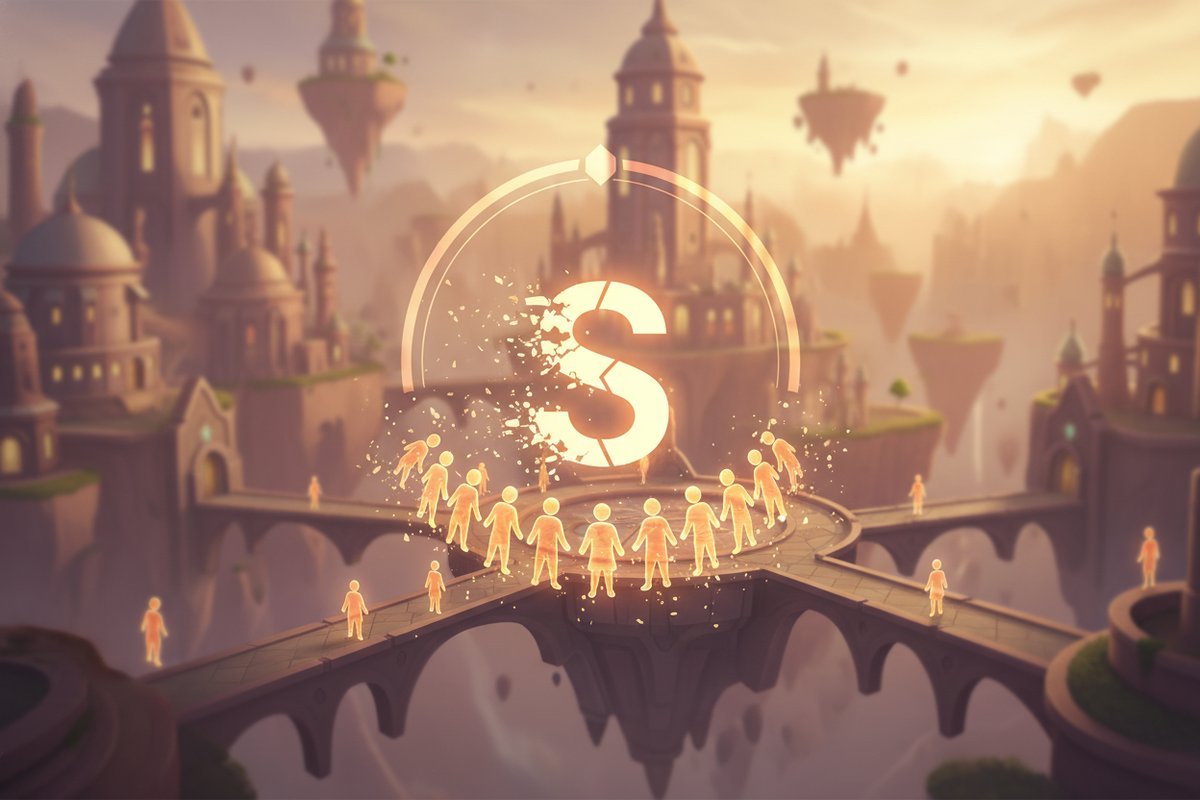
The Rise of the “Anti-Social” MMO
The landscape of online gaming has shifted dramatically from the forced cooperation of the early 2000s. In the era of EverQuest or vanilla World of Warcraft, you physically could not progress past a certain point without making friends. Today, major titles have pivoted hard to accommodate the solo player. The industry term for this is “accessibility,” but in practice, it often looks like single-player gaming with a chat box.
Take World of Warcraft (WoW) as the prime example. With the The War Within expansion, Blizzard introduced Delves. These are 15-minute, bite-sized instances that allow you to progress your character’s power and acquire high-level loot alongside an NPC companion, initially Brann Bronzebeard. This system completely bypasses the need for a five-player group or the anxiety of the “Dungeon Finder.” You can review the full breakdown of Delve mechanics and season rewards at Blizzard under the ‘World of Warcraft’ game section.
Similarly, Final Fantasy XIV (FFXIV) has aggressively expanded its Duty Support system. As of 2026, almost every main story dungeon from A Realm Reborn through to Dawntrail can be completed with AI party members like the Scions of the Seventh Dawn. The message from developers is clear: you no longer need other people to be the hero.
The Mechanics of Isolation: How It Works
To understand if this playstyle suits you, you must understand the mechanics that enable it. It isn’t just about making enemies weaker; it is about replacing human roles with algorithms.
The AI Safety Net
In The Elder Scrolls Online (ESO), the Companion System allows you to recruit NPCs like Isobel Veloise or Ember. These aren’t just pets; they can be tank, healer, or damage dealer (DPS). You can outfit them with gear and customise their skills. While they will never be as effective as a skilled human player, they are perfectly capable of keeping you alive through veteran base-game dungeons. To see which companions suit your playstyle, check the ‘Updates’ or ‘Guides’ section on The Elder Scrolls Online.
Horizontal Progression and Open Worlds
Guild Wars 2 takes a different approach. Rather than giving you a personal bodyguard, the game is designed around “unspoken cooperation.” There is no kill-stealing and no need to group up to share rewards. If you see someone fighting a boss, you jump in, help, and get full credit. You can see the event timer schedules and world boss rotations by visiting Guild Wars 2 and navigating to the ‘Community’ or ‘Wiki’ resources.
Common Mistakes: The “Dead Game” Fallacy
When players return to the genre after a long break, they often misinterpret what they see. A quiet chat channel doesn’t mean a dead server; it often means the socialising has moved elsewhere or changed form. Here are the errors most returning players make.
- Mistaking Silence for Emptiness: In games like Guild Wars 2 or Black Desert Online, players often coordinate silently through open-world mechanics. You might see fifty players fighting a World Boss like Tequatl without a single word typed in chat. This isn’t a lack of community; it’s efficiency. The “Commander Tag” system allows leaders to direct the flow of battle visually rather than verbally.
- Ignoring External Communities: If you rely solely on in-game “General Chat” to find a guild, you will likely fail. Most active UK communities have moved to Discord servers. Using the in-game guild finder is often less effective than checking the recruitment forums on the game’s official website or dedicated subreddits. The real socialising happens in voice channels, not text boxes.
- Over-Relying on Matchmaking: Tools like the Dungeon Finder are convenient, but they are transaction-based. You are there to finish a task, not make friends. Expecting social interaction in a matchmade group is like expecting a conversation on the London Underground-possible, but generally frowned upon. If you want chat, you must look for “Roleplay” or “Social” marked groups in the Party Finder.
The Trade-offs: What You Lose for Convenience
Opting for the solo path is valid, but it is important to be honest about what is sacrificed. The “friction” of finding a group in older games was annoying, but it was also the glue that held communities together.
The “Hollow Victory” Effect
Beating a boss with Brann Bronzebeard in a WoW Delve grants you loot, but it rarely grants a memory. When you defeat an encounter with AI, the victory is mathematically identical but emotionally sterile. There is no shared panic when the healer goes down, no collective cheer when the boss dies with 1% HP remaining, and no shared history with other players. You get the item, but you miss the story.
The Static World Problem
Solo-friendly design often leads to what critics call a “theme park” experience. In Star Wars: The Old Republic (SWTOR), you can experience an incredible BioWare-style story entirely alone. However, this turns the other players around you into glorified background NPCs. The world ceases to feel like a living, breathing ecosystem and starts to feel like a museum exhibit where you are the only guest who matters. This can lead to a sense of isolation that is paradoxically stronger than if you were playing a true single-player game like The Witcher 3.
Your Checklist: Is a Solo-Friendly MMO Right for You?
Before you commit to a subscription for a game like Final Fantasy XIV or The Elder Scrolls Online, use this checklist to see if their design philosophy actually matches your social needs.
☐ The “Pause Button” Test
Do you frequently need to step away from the computer at a moment’s notice (e.g., for children, pets, or delivery drivers)? If yes, systems like FFXIV’s Trust System are essential. They literally allow you to wait indefinitely mid-dungeon without annoying other humans. Details on the expanded Free Trial, which includes these solo features, can be found at Final Fantasy XIV on the main landing page.
☐ The “Saturday Night” Reality
Log in on a Saturday evening. Do you want to feel part of a bustling event, or do you just want to relax after a week of work? If you prefer the latter, look for games with “horizontal progression” like Guild Wars 2, where you don’t fall behind if you miss a week of raiding.
☐ The Tolerance for Toxicity
Are you willing to deal with one bad interaction for every ten good ones? If your tolerance for toxicity is zero, stick to games with robust solo modes like WoW’s Follower Dungeons. If you have thick skin and crave banter, look for games that force interdependence, like Eve Online or Classic era servers.
☐ The Loot Motivation
Do you care about having the absolute “best” gear (Best in Slot)? Be warned: even solo-friendly games often gate the very highest tier of equipment behind Mythic group content. If you play solo, you must be at peace with having “very good” rather than “perfect” gear.
☐ The Story vs. System Preference
Do you read quest text? Solo-friendly MMOs like SWTOR shine here. If you skip text to get to the action, the slower pace of AI dungeon runs will likely frustrate you compared to the speed of a human group designed for “speed-running.”
When This Approach Fails: Who Should Avoid Solo MMOs
Despite the marketing, the solo-friendly playstyle is not a universal fix. If you are an extrovert seeking a “third place” to hang out, modern convenient MMOs can feel incredibly isolating. You might be surrounded by thousands of players in a hub city like Limsa Lominsa or Valdrakken, yet feel completely alone because the game mechanics never give you a reason to speak to them.
Furthermore, players who thrive on competition will find AI companions dull. An AI tank in a Follower Dungeon is programmed to be competent and predictable. It will never make a wild, risky pull that tests your skills, nor will it ever praise you for a clutch save. If you need the adrenaline of unpredictability, or the satisfaction of proving your skill to peers, you still need human players.
Finding the Balance in 2026
The solution isn’t to reject these tools, but to use them as a bridge rather than a bunker. Use the Follower Dungeons to learn the mechanics of a fight in safety, so you feel confident enough to join a real group later without the fear of being shouted at for making a mistake. Use the solo story content in Elder Scrolls Online to build your character, but join a trading guild to sell your goods to real people.
The community spirit in MMORPGs isn’t dead; it has just become opt-in. You now have to make the conscious choice to be social, rather than having the game force it upon you. In 2026, the most dangerous dungeon boss isn’t a dragon-it is the comfort of playing alone, and the only way to defeat it is to type “Hello” in the chat.