Mmos World
Learn How to Build Your First PvP Character with Advanced Strategies
This matters because your initial character decisions shape your PvP success and enjoyment. If you’re not committed to PvP or prefer casual play without competitive focus, this guide might not suit your needs.
Step 1: Choose Your Class Wisely
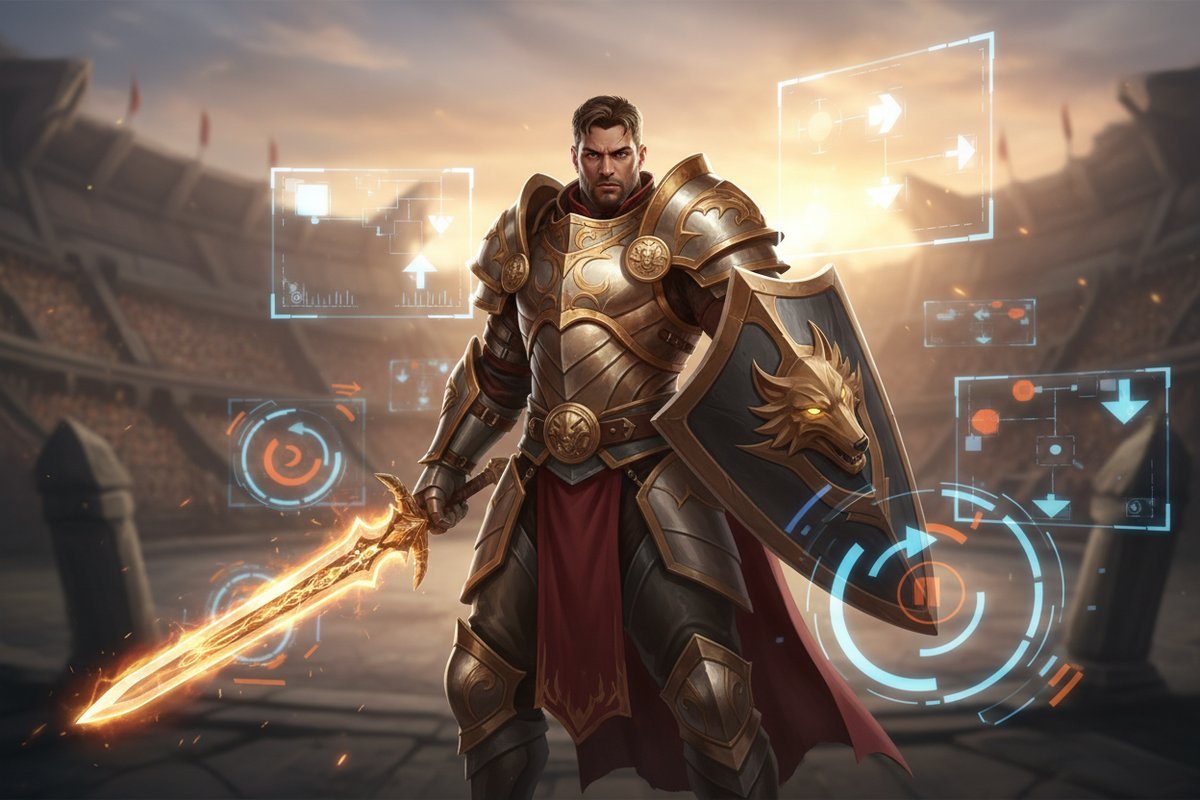
Start by selecting a class that fits your preferred PvP style. Many new players pick classes based on looks or simple appeal, which often leads to a mismatch with effective PvP roles. For example, popular PvP classes like the GS Spear or Crossbow Dagger in some MMORPGs show strong early potential due to their balanced damage and mobility.
Common mistake: Picking a class without understanding its PvP toolkit can leave you struggling with skills that don’t synergise well in fights. Some classes may excel in PvE but suffer from limited crowd control or survivability in PvP.
Verify success: Spend time reviewing community feedback on PvP viability and try out practice duels to see if the class feels dynamic and manageable. Remember that certain classes require more mechanical skill or faster reaction times, so gauge your comfort level honestly.
Skip this step if you’re playing a PvE-focused character without plans for PvP.
Step 2: Allocate Skills Strategically
Skill points are precious, and many newcomers scatter them too thinly or invest in non-PvP-friendly abilities. Avoid the trap of maxing out flashy but situational skills that don’t contribute to consistent PvP performance.
Common mistake: Overinvesting in passive or PvE-oriented skills causes early PvP builds to lack necessary burst damage, crowd control, or survivability. Additionally, some players neglect key utility skills like interrupts, stuns, or escapes that can turn the tide of battle.
Verify success: Build around a core PvP skill rotation that balances offensive and defensive abilities. Use training arenas or PvP tutorials to test your skill setup under pressure. Don’t hesitate to respec if your initial allocation doesn’t deliver the expected results.
Skip this step if your game auto-allocates or resets skills frequently, but always review your build before entering PvP.
Step 3: Optimise Gear for PvP Impact
Unlike PvE, where raw stats often dominate, PvP demands gear that enhances mobility, survivability, and skill cooldowns. Many new players cling to early-game gear that looks powerful but lacks the right attributes for PvP engagement.
Common mistake: Equipping the highest-level gear without considering PvP-specific stats, such as resilience or haste, which can drastically alter combat effectiveness. It’s also a pitfall to ignore set bonuses or trinkets that specifically benefit PvP engagements.
Verify success: Prioritise gear that complements your class role and skill set. Test your damage output and survivability in controlled PvP matches. Be mindful of trade-offs-sometimes a slight reduction in raw damage for improved defensive stats can greatly increase your overall PvP viability.
Skip this step if your MMORPG balances stats equally in PvP or uses standardised PvP gear sets.
Step 4: Understand Your Role in Team PvP
Many players jump into team-based PvP without a clear role, which leads to poor coordination and early defeats. Knowing whether you’re a damage dealer, crowd controller, or support helps focus your build and gear choices.
Common mistake: Trying to do everything at once dilutes your effectiveness and frustrates teammates. For example, a damage dealer who attempts to tank damage without proper gear or skills will likely be ineffective.
Verify success: Communicate with your team and test your role in smaller skirmishes before large-scale battles. Understanding your role’s strengths and weaknesses also helps you make better decisions mid-fight.
Skip this step if you only engage in solo PvP modes.
Step 5: Practice and Adjust
After building your character, practice is key. Many players expect immediate success but overlook the need to refine their build based on real PvP feedback.
Common mistake: Stubbornly sticking to an initial build that doesn’t perform well under pressure. Another frequent issue is failing to adapt tactics to different opponents or team compositions.
Verify success: Track your PvP results and tweak skills or gear accordingly. Use available guides or community insights for adjustments. Remember that flexibility and willingness to learn often separate average players from the best.
COMMON MISTAKES
- Poor Skill Allocation: Spreading points too thin or favouring PvE skills leads to weak PvP performance and missed opportunities for control or burst damage.
- Ignoring Gear Synergy: Using PvE-centric gear without PvP-focused stats reduces survivability and damage output, especially in prolonged fights.
- Lack of Role Clarity: Attempting multiple roles confuses objectives and hampers team success, leading to frustration and miscommunication.
- Neglecting Mobility: Many PvP encounters rely heavily on positioning and movement. Overlooking gear or skills that enhance mobility can leave you vulnerable.
- Underestimating Crowd Control: Avoid ignoring interrupt or stun abilities, which are vital for controlling opponents and creating openings.
WHEN NOT TO USE THIS GUIDE
- This guide is NOT for players who enjoy casual or purely PvE gameplay without competitive PvP ambitions.
- If your MMORPG uses balanced stats or standardised PvP gear, the gear optimisation advice may be less relevant.
- If your game heavily relies on randomised elements or luck-driven mechanics rather than skill and build strategy, this guide’s focus may not apply fully.
- If you are new to the game and still exploring core mechanics, rushing into PvP builds may be premature; focus first on mastering basics.
BEFORE-YOU-START CHECKLIST
- ☐ Confirm your MMORPG’s PvP mechanics and gear/stat systems.
- ☐ Research popular PvP classes and their skillsets.
- ☐ Review community feedback on effective PvP builds.
- ☐ Prepare to allocate skills with PvP in mind, avoiding PvE-only talents.
- ☐ Plan gear upgrades focusing on PvP-relevant stats.
- ☐ Familiarise yourself with your preferred class’s role in team scenarios.
- ☐ Test your build in practice modes or unranked PvP before competitive play.
- ☐ Learn key PvP tactics like crowd control timing, positioning, and cooldown management.
TROUBLESHOOTING COMMON PROBLEMS
Problem: Feeling underpowered despite high-level gear.
Fix: Check if your gear lacks PvP stats like resilience or cooldown reduction and adjust accordingly. Consider swapping out gear pieces that do not provide useful PvP bonuses.
Problem: Dying quickly in PvP matches.
Fix: Reassess your skill build for defensive or escape abilities and practice timing defensive cooldowns. Also, improve your positioning and situational awareness.
Problem: Struggling to contribute in team PvP.
Fix: Clarify your role with teammates and focus your build to support that role effectively. Avoid trying to fill gaps you are not equipped for.
MOST GUIDES MISS THIS
Many guides focus on general character building or PvE optimisation, but they miss the subtle errors new PvP players make-like ignoring role specialisation, misallocating skill points for PvP combat, or failing to adapt gear to PvP demands. Addressing these early can save hours of frustration and boost your competitive edge.
Remember, PvP success is as much about smart decisions during character building as it is about sheer skill during combat.
Ready to build a PvP character that stands out? Start with these steps, avoid common pitfalls, and refine your approach with practice.
This content is based on publicly available information, general industry patterns, and editorial analysis. It is intended for informational purposes and does not replace professional or local advice.