Mmos World
The Role of Narrative Branching in Player Retention Rates
Understanding how to design branching narratives can improve player retention—but this approach isn’t suitable for every game or team. This article helps developers decide when and how to use branching stories effectively.
Common Mistakes in Narrative Branching That Undermine Retention
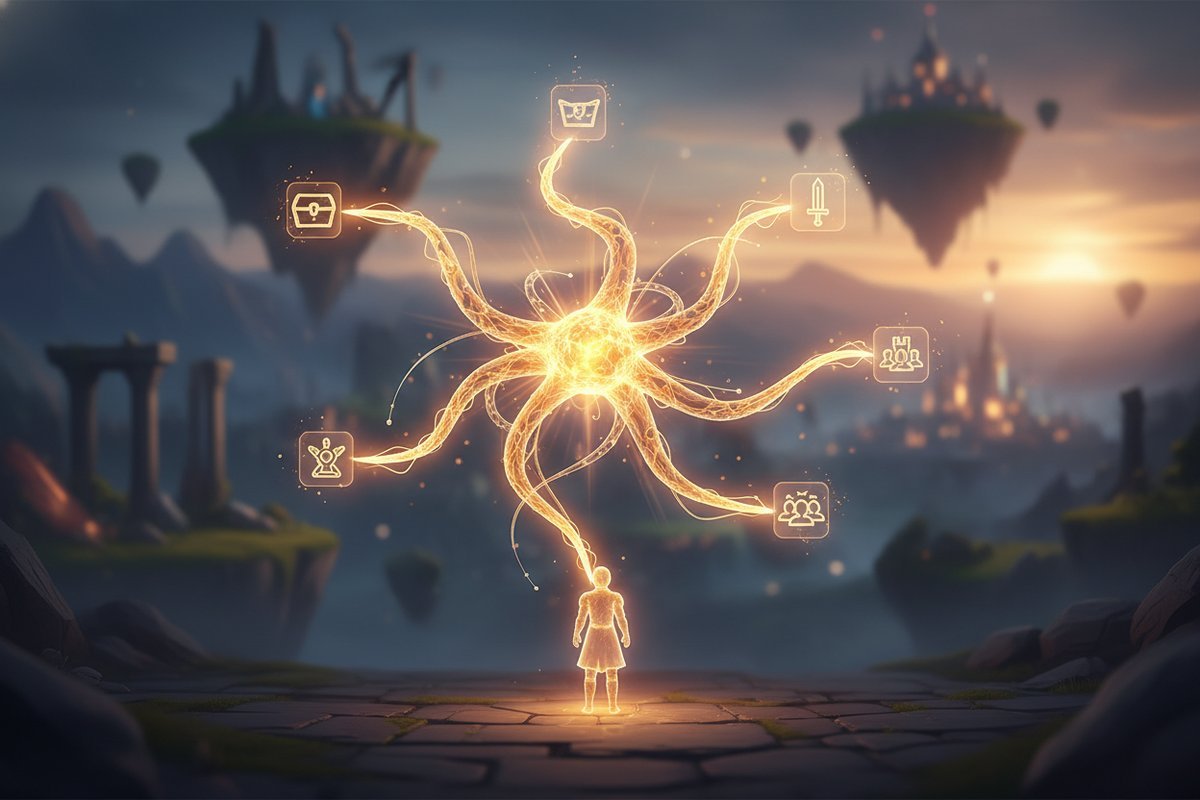
Most people treat narrative branching as a simple choice mechanic without considering its long-term impact, which often leads to player disengagement. Here are several frequent errors that can significantly undermine player retention:
- Overcomplexity without meaningful consequence: Adding too many branches that don’t significantly alter gameplay or story can overwhelm players and dilute the sense of agency, causing fatigue rather than engagement. When every choice feels equally weighty but ultimately inconsequential, players may lose interest quickly.
- Neglecting emotional payoff: Branches that fail to provide satisfying or personalised outcomes often leave players feeling their choices were meaningless, reducing motivation to continue playing. Emotional investment is key; without it, players struggle to connect with the narrative or character arcs.
- Ignoring pacing and integration: Branching that disrupts the natural flow of the game world or feels shoehorned in can break immersion, leading to frustration and drop-off. Poorly timed branches or those that interrupt gameplay loops can jar players out of the experience.
- Failing to provide clear choice feedback: Players need to understand the impact of their decisions. When branches lack immediate or delayed feedback, players may feel confused or powerless, diminishing engagement.
- Lack of consistency in narrative tone or quality: Branches that vary widely in writing quality or tone can create an uneven experience, pulling players out of the story and reducing immersion.
- Creating narrative dead-ends or contradictions: Without careful design, branches can lead to unsatisfying dead-ends or conflicting plot points, which frustrate players and may discourage further exploration.
When Not to Use Narrative Branching
Despite its appeal, branching narratives are not a universal solution. Consider avoiding this approach if:
- Your game targets casual players seeking straightforward progression: Complex branching might deter those who prefer linear experiences or quick gameplay sessions without narrative complexity.
- Your development resources are limited: Effective branching demands significant writing, testing, and balancing, which may not be feasible for all teams. Insufficient resources can lead to rushed or shallow branches that hurt retention rather than help it.
- The core appeal of your game isn’t narrative-driven: If your game focuses primarily on mechanics, multiplayer competition, or procedural content, investing heavily in branching narratives may not provide a meaningful return on engagement.
- Your target audience values clarity and predictability: Some players prefer knowing exactly what to expect. Introducing branching that creates uncertainty or complexity can reduce enjoyment and cause frustration.
- Your game’s platform or format limits narrative delivery: Certain platforms (e.g., mobile games with short play sessions) or formats (e.g., arcade-style games) may not suit extensive branching due to time constraints or interface limitations.
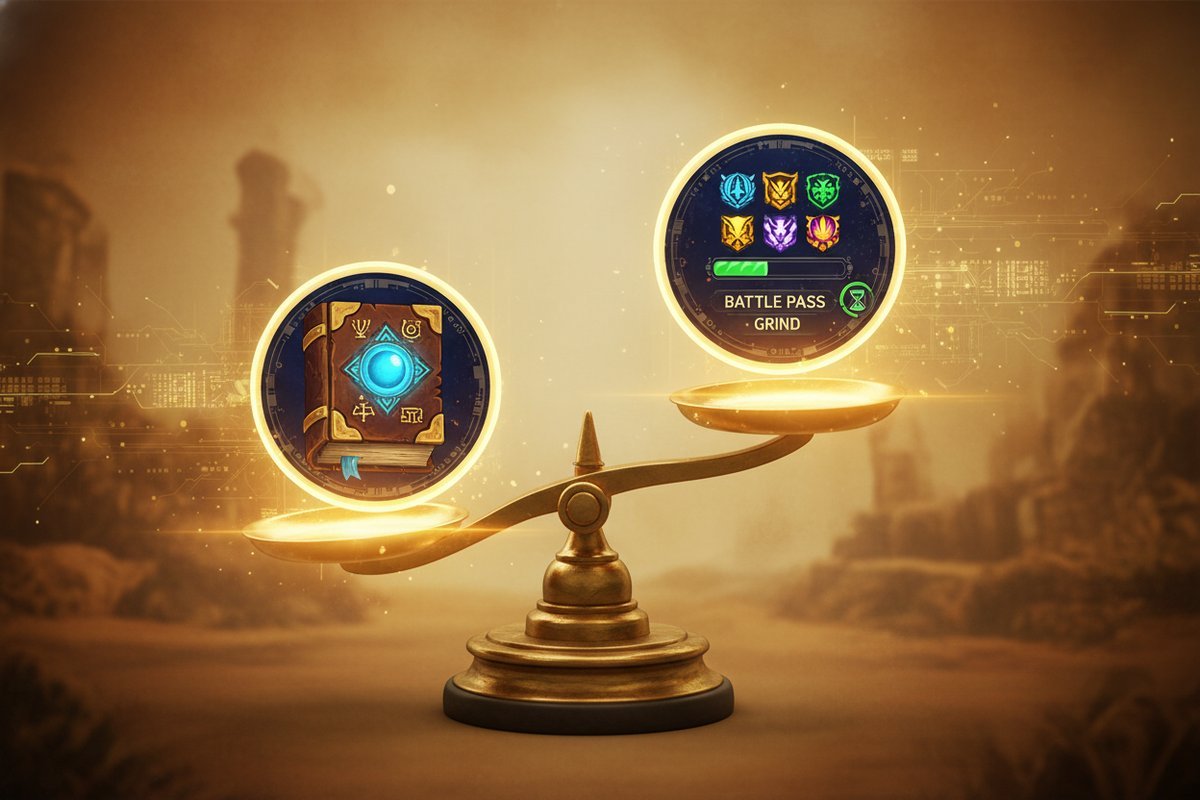
In these cases, focusing on other retention strategies like social features, consistent content updates, or rewarding gameplay loops may be more effective.
Before-You-Start Checklist for Effective Narrative Branching
Planning is crucial before implementing branching narratives. Ensure you have:
- ☐ Clear goals for what player engagement you want to encourage through choices
- ☐ A manageable number of meaningful branches that impact gameplay or story outcomes
- ☐ Integration of branches with core gameplay loops to maintain immersion
- ☐ Mechanisms for players to understand the consequences of their choices without overwhelming information
- ☐ Resources allocated for thorough testing to avoid narrative dead-ends or contradictions
- ☐ Defined narrative tone and style guidelines to ensure consistency across branches
- ☐ Plans for pacing branches to avoid disrupting gameplay flow or causing fatigue
- ☐ Systems to provide both immediate and delayed feedback on player decisions
- ☐ Contingency plans for trimming or simplifying branches if development constraints arise
- ☐ Consideration of accessibility to ensure narrative complexity does not exclude players with differing needs
Trade-Offs in Using Narrative Branching for Retention
Branching narratives can enhance engagement but come with trade-offs worth considering:
- Increased development complexity: More writing and design effort are needed, which can slow down production and increase costs. This complexity also requires additional coordination between writers, designers, and testers to maintain coherence across multiple paths.
- Potential for player confusion: Without clear feedback, players may feel lost or unsure how their choices matter, harming retention. This is especially true if branching leads to unexpected or contradictory story developments.
- Difficulties in balancing content: Ensuring all branches are equally compelling, bug-free, and polished is challenging. Imbalanced branches can result in uneven player experiences where some paths feel neglected or less rewarding.
- Longer testing cycles: Every branch requires thorough testing. This extends quality assurance timelines and may reveal unforeseen narrative or gameplay issues late in development.
- Resource allocation challenges: Dividing resources to support multiple storylines can mean less depth or polish per branch, potentially reducing overall narrative quality.
- Player segmentation: Different players experience different content, which can fragment community discussions and shared experiences, sometimes weakening social retention factors.
Balancing these factors requires careful planning and prioritisation aligned with your game’s goals to ensure narrative branching supports rather than undermines player retention.
How to Choose Between Branching Narrative Approaches
Deciding on the right narrative branching strategy depends on your target audience, team capacity, and retention objectives. If your players appreciate story depth and personalised experiences, investing in meaningful branching may pay off. Conversely, if clarity and simplicity are paramount, minimal or linear branching could better serve retention.
Ultimately, testing player responses to early branching prototypes can provide valuable insights before full implementation.
FAQ
When should I avoid using branching narratives in my MMORPG?
Avoid branching if your target players prefer straightforward gameplay or if your team lacks resources for extensive narrative development, as poorly executed branching can reduce retention.