Mmos World
Evolving Player-Created Content: The Next Wave in MMORPGs
Understanding the complexities behind evolving player-driven world-building helps developers and designers make informed choices. This article is not suited for casual players or those seeking simple modding tips.
Common Mistakes When Integrating Player-Created Content Tools
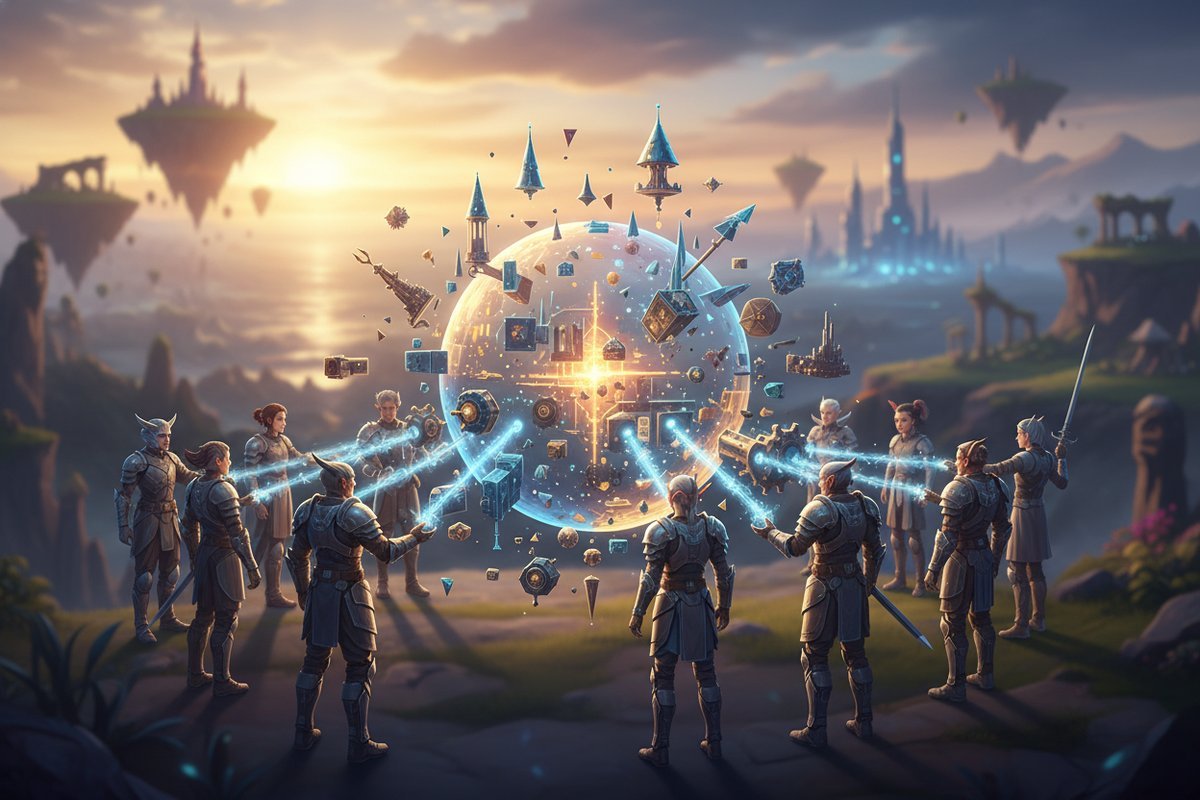
- Overestimating Player Creativity Without Clear Boundaries: Many developers assume that given tools alone will foster meaningful content. In practice, a lack of structured guidance often leads to low-quality or incoherent creations, frustrating both creators and the wider community.
- Ignoring the Impact on Game Balance: Introducing player-created elements without anticipating their influence on gameplay can disrupt progression or competitive fairness, which may alienate core players.
- Underestimating Technical and Moderation Overheads: Enabling extensive player-driven content often increases server load and requires vigilant moderation. Overlooking these demands can result in performance bottlenecks and toxic community spaces.
- Failing to Integrate Content Seamlessly: Player-created content that feels disconnected from the core game world or mechanics can break immersion and reduce player satisfaction. Developers sometimes neglect how new content meshes with existing lore, aesthetics, or gameplay systems.
- Neglecting Player Education and Onboarding: Without proper tutorials or examples, players may feel overwhelmed by content creation tools, leading to underutilisation or misuse. Clear onboarding processes are essential to maximise tool adoption and quality.
- Not Planning for Long-Term Content Lifecycle: Player-created content can accumulate rapidly, causing clutter or redundancy if there is no system for archiving, rating, or retiring older submissions. This oversight can degrade overall content discoverability and enjoyment.
- Overcomplicating Tools Beyond Player Needs: While advanced features can empower creators, overly complex interfaces may discourage casual players, limiting the diversity and volume of contributions.
When Not to Use Advanced Player-Created Content Tools
- This Approach Is NOT for You If You Lack Dedicated Development Support: Complex content creation systems require ongoing updates and troubleshooting. Without sufficient resources, the system may degrade player experience.
- Unsuitable for MMORPGs Prioritising Tight Narrative Control: Games that rely heavily on curated storytelling may struggle to integrate player-generated content without diluting narrative cohesion.
- When Your Community Is Not Ready for Open Contribution: If your player base is small, inexperienced, or prone to toxic behaviour, open content tools may exacerbate community management issues and create a hostile environment.
- If Your Technical Infrastructure Is Limited: Player-created content often demands scalable servers and robust content delivery pipelines. Without this, the game may experience crashes, lag, or data loss.
- When Monetisation Models Clash With Open Content: Games focused on tightly controlled in-game economies or premium content may find player-generated materials disrupt revenue streams or create unfair advantages.
Before-You-Start Checklist for MMORPG Developers
- ☐ Ensure your game engine and infrastructure can handle dynamic content without compromising stability.
- ☐ Define clear content creation guidelines and quality standards to guide players.
- ☐ Prepare moderation tools and teams to manage inappropriate or game-breaking submissions.
- ☐ Assess how player content might affect core gameplay balance and progression systems.
- ☐ Plan for iterative feedback loops with your community to refine creation tools and policies.
- ☐ Develop scalable storage solutions to accommodate growing volumes of player content.
- ☐ Implement rating and discovery systems to highlight high-quality creations and manage content visibility.
- ☐ Establish clear intellectual property policies to protect both the developer and players.
- ☐ Design user-friendly interfaces and comprehensive tutorials to support creators of varying skill levels.
- ☐ Prepare contingency plans for removing or disabling problematic content quickly if needed.
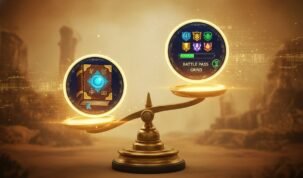
Trade-Offs When Embracing Player-Created MMORPG Content
- Creative Freedom vs. Quality Control: Empowering players can drive innovation but risks inconsistent content that might diminish overall experience. Balancing freedom with restrictions ensures content remains engaging and appropriate.
- Community Engagement vs. Moderation Burden: Rich user contributions increase player investment but require significant oversight to prevent abuse and maintain standards. This can strain community teams and delay content approval.
- Innovation vs. Technical Complexity: Advanced creation tools push boundaries but may introduce performance challenges and complicate updates. This can lead to longer development cycles and higher maintenance costs.
- Open Content vs. Narrative Consistency: While open creation fosters diversity, it can conflict with a tightly woven story or world design, risking immersion and brand identity.
- Player Empowerment vs. Game Balance: Allowing players to create powerful items or scenarios may upset progression systems and competitive fairness, potentially alienating long-term players.
- Scalability vs. Manageability: As player content grows, managing it effectively becomes more difficult, requiring robust systems to maintain a positive experience without overwhelming staff or players.
How to Choose Between Player-Created Content Approaches
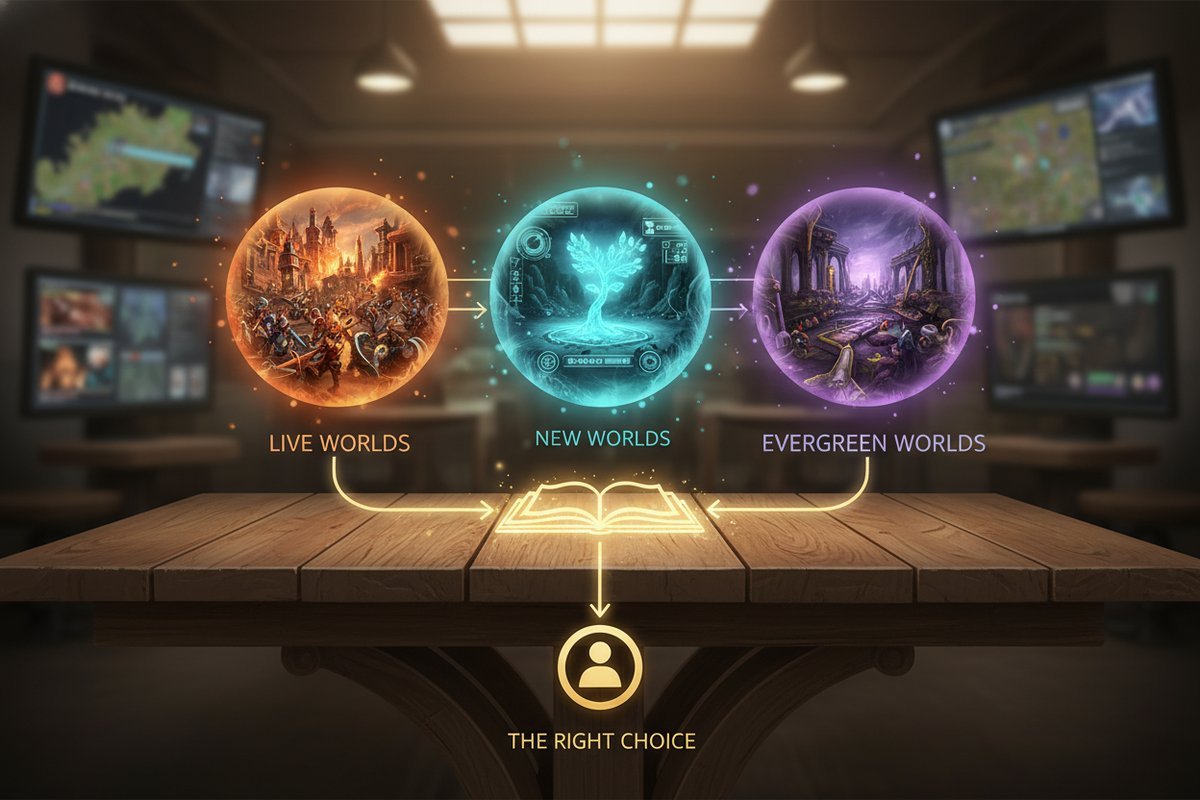
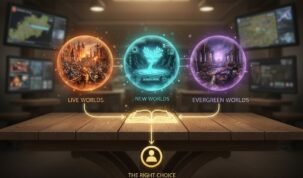
Deciding on the right level of player-driven world-building depends on your development capacity, game design goals, and community expectations. If your team can commit to maintaining tools and moderation, more open creation systems may enhance engagement. Conversely, if narrative consistency or technical stability are priorities, more constrained or curated content frameworks might be preferable. Always weigh the potential for creative community growth against the risks of quality dilution and increased operational demands.
This content is based on publicly available information, general industry patterns, and editorial analysis. It is intended for informational purposes and does not replace professional or local advice.
FAQ
When should I avoid implementing open player-created content systems in my MMORPG?
If your development team lacks resources for ongoing moderation and technical support, or if your game requires strict narrative control, open content systems may create more challenges than benefits.