Mmos World
The Influence of Sound Design on Player Immersion in MMO Worlds
Understanding sound design’s unique role in MMOs helps developers and players recognise what deepens engagement—and when typical audio approaches fall flat. This guide is not for casual gamers uninterested in audio details or developers focused solely on graphics.
Why Sound Design in MMOs Demands Special Attention
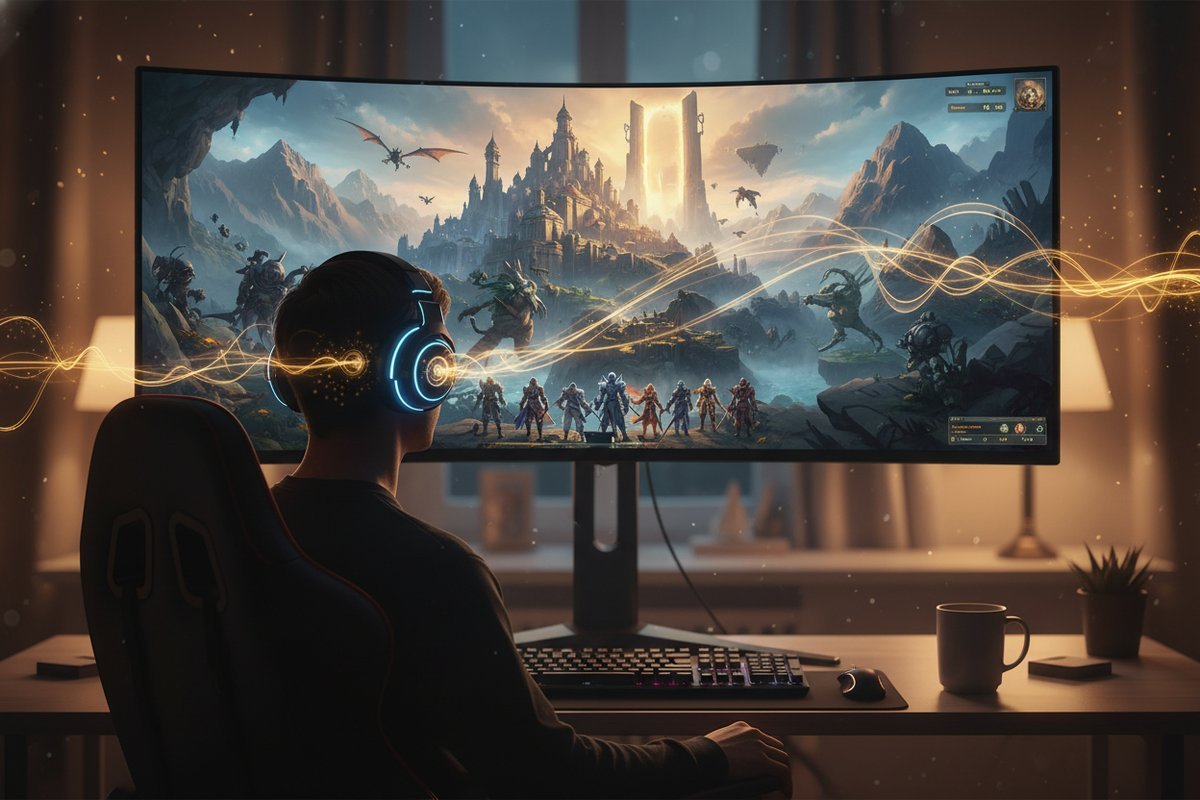
MMORPGs differ from single-player or smaller multiplayer games due to their persistent, expansive worlds and complex player interactions. Sound design here isn’t just background flair; it’s a core pillar of immersion that can make or break the feeling of presence. Yet, many developers recycle generic audio approaches without adapting to MMO-specific challenges like massive player density, ongoing world events, or layered environmental sounds.
For example, games like Ashes of Creation highlight the role of sound effects and visual camera feedback in combat immersion. Similarly, Chrono Odyssey employs spatial sound techniques that prioritise high-quality effects near the player while scaling down distant sounds to manage performance without losing presence.
Common Mistakes That Dilute MMO Audio Immersion
- Overloading Audio Channels – Many developers flood the soundscape with too many competing effects, leading to confusion rather than immersion. This results in players tuning out or feeling overwhelmed, reducing emotional engagement.
- Ignoring Spatial and Distance Sound Dynamics – Neglecting to differentiate sound quality based on proximity, as seen in some games, breaks the illusion of a living world where sounds realistically fade and alter with distance.
- Failing to Adapt Seasonal or Event Audio Variations – With the rise of seasonal MMOs, static or repetitive soundtracks can feel stale. Not updating audio to reflect changing world states or events misses a key chance to reinforce immersion.
- Lack of Audio Prioritisation in Crowded Scenes – In dense player hubs or large-scale battles, failing to prioritise key sounds – such as player actions or important environmental cues – can drown critical audio in noise, causing players to miss essential feedback.
- Neglecting Audio Consistency Across Zones – Abrupt changes or poorly blended transitions between audio environments can jar players out of immersion. Consistency in ambient sounds and effects that subtly shift with location is crucial for a seamless experience.
- Overuse of Repetitive Audio Loops – Overly repetitive sound loops, particularly in ambient music or environmental effects, can become grating and detract from the immersive quality of the world.
- Ignoring Player-Controlled Audio Settings – Not providing robust sound control options such as adjusting environmental sounds separately from voice chat or music can frustrate players who want a personalised audio experience.
- Neglecting Environmental Audio Layering – Failing to properly layer background sounds like weather, wildlife, and distant activity leads to flat, unrealistic soundscapes that diminish world-building efforts.
- Overlooking Audio Feedback for UI and Interaction – Lack of subtle but clear audio cues for interface actions, inventory management, or skill cooldowns can reduce player responsiveness and satisfaction.
- Disregarding Cultural and Regional Sound Preferences – MMOs often attract a global audience; ignoring regional sound aesthetics or failing to provide localisation options for audio can alienate players and reduce immersion.
When Not to Prioritise Complex Sound Design in MMOs
- If Your MMO Is Designed for Casual or Instant-Access Gameplay – Some titles prioritise quick entry and simple mechanics, where elaborate soundscapes might not be appreciated or could even distract.
- When Technical Budget Limits Sound Quality Management – In MMOs with massive player counts and vast worlds, striving for ultra-high fidelity sounds everywhere can cause performance issues. It’s better to focus on selective, high-impact audio moments.
- For Mobile or Low-Spec Platforms – Limited hardware capabilities and battery constraints on mobile devices mean that complex audio layers can lead to rapid resource drain and overheating, making simpler sound design a practical necessity.
- If the Game’s Core Appeal Is Visual or Social Rather Than Immersive Atmosphere – In some MMOs focused heavily on social interaction or competitive play, prioritising clear communication channels and functional sound cues over atmospheric layers enhances player experience.
- During Early Development or Prototyping Phases – When gameplay mechanics and world-building are still fluid, investing heavily in detailed sound design can be premature and inefficient.
- When Audio Resources Must Be Prioritised for Voice Communication – In MMOs that centre on team-based play or competitive PvP, clear voice chat often takes precedence over ambient or background sounds.
- If the Game Uses Minimalist or Stylised Art and Audio Direction – Some MMOs adopt deliberately sparse or abstract sound design as part of their artistic vision, making complex audio layers unnecessary or counterproductive.
- When Server Stability and Network Constraints Limit Real-Time Audio Processing – In situations where latency or bandwidth limitations make synchronised audio difficult, simpler sound schemes help maintain overall game stability and player experience.
Before-You-Start Checklist for MMO Sound Design
- ☐ Analyse typical player environments to prioritise sound sources by proximity and relevance.
- ☐ Plan dynamic audio layers that respond to world events and player actions.
- ☐ Test spatial audio cues extensively in crowded scenarios to avoid clutter.
- ☐ Ensure sound effects complement visual impact without competing for attention.
- ☐ Incorporate adaptive sound quality scaling for different hardware capabilities.
- ☐ Design clear audio hierarchies to prioritise important gameplay sounds over ambient noise.
- ☐ Implement smooth audio transitions between zones and during event changes.
- ☐ Provide customizable audio settings for player preferences, including separate volume controls for dialogue, music, effects, and ambient sounds.
- ☐ Include fail-safes to prevent audio glitches or clipping during peak server loads.
- ☐ Regularly collect and incorporate player feedback on sound clarity and immersion.
- ☐ Coordinate sound design closely with UI/UX teams to ensure consistent audio feedback across interfaces.
- ☐ Develop region-specific audio assets or options to cater to diverse player bases.
- ☐ Create fallback audio profiles for scenarios with limited hardware or connectivity.
- ☐ Plan for audio localisation and cultural sensitivities early in development.
Trade-Offs in MMO Sound Design Choices
- Performance vs. Audio Fidelity – Prioritising high-fidelity sounds for all elements can degrade game performance, especially in large player hubs. Balancing quality with optimisation is crucial. Developers often limit the number of simultaneous sound sources or compress audio dynamically to maintain frame rates, but this can reduce richness. Additionally, some audio processing techniques like reverberation or occlusion effects are costly, so choosing when and where to apply them is a delicate balance.
- Immersion Depth vs. Clarity – Rich, layered soundscapes increase presence but risk muddling important gameplay audio cues, potentially frustrating players. Clear sound cues for combat, alerts, or navigation must cut through ambient noise without breaking immersion, requiring careful balancing. Sometimes simplifying or tonal balancing key sounds is necessary to maintain player awareness.
- Consistency vs. Dynamic Variation – While consistent audio helps players feel grounded in the world, too little variation can become monotonous. Conversely, highly dynamic audio that shifts dramatically with events or locations can enhance immersion but risks confusing the player or causing jarring transitions if not managed carefully.
- Global Reach vs. Local Preferences – MMOs attract diverse audiences with different cultural expectations of sound design. Balancing universally appealing audio with localised or region-specific content requires additional resources and planning but can significantly improve player retention and satisfaction.
- Complexity vs. Accessibility – Highly intricate soundscapes might impress audiophiles but overwhelm casual or hearing-impaired players. Providing options for simplified audio modes or enhanced clarity settings supports a wider audience and accessibility requirements.
- Resource Allocation vs. Feature Scope – Investing heavily in audio can divert resources from other critical MMO features such as server infrastructure, content creation, or UI polish. Prioritising audio must align with overall project goals and player expectations.