Mmos World
Step-by-Step Walkthrough: How to Navigate Open World Quests Efficiently
If you want to cut down quest completion time and avoid common setbacks, this guide is for you. However, if you prefer a casual playstyle focused on exploration over efficiency, this approach might not suit you.

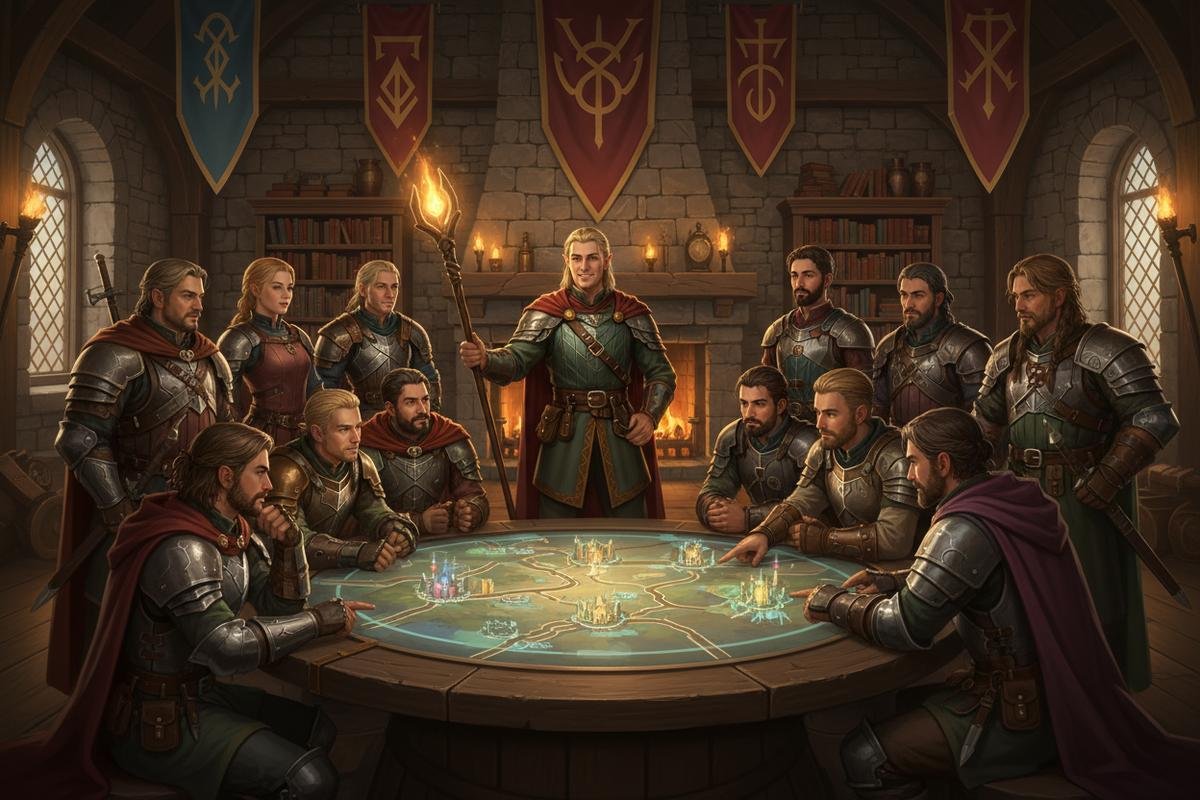
Step 1: Plan Your Quest Route Before You Start
What to do: Begin by mapping out quests that are geographically close to each other. Group objectives within the same area to minimise backtracking. This not only saves time but also reduces unnecessary use of consumables like mounts or stamina potions.
Common mistake: Many players chase quests as they appear, resulting in inefficient criss-crossing across the map, which wastes time and increases resource consumption. Another frequent error is ignoring terrain difficulties-routes that look shorter on the map might be longer in practice due to obstacles or hostile zones.
How to verify success: Use in-game maps or external tools to visualise quest locations. Confirm that your planned route forms a logical path without unnecessary detours. It’s helpful to mark waypoints or create a checklist for each cluster of quests before setting out.
Skip this step if you’re in a game with a very linear questline or if quests are auto-tracked efficiently for you.
Step 2: Manage Your Inventory and Resources Proactively
What to do: Keep a close eye on your inventory space and essential consumables like health potions or crafting materials before heading out. Consider which items you might need for specific quest types (e.g., antidotes for poison zones, extra arrows for ranged combat) and pack accordingly.
Common mistake: Overloading your inventory or neglecting to restock key items can lead to frequent, time-consuming trips back to town. Equally problematic is carrying unnecessary items that weigh you down or clutter your quick-use slots, reducing efficiency in combat or crafting.
How to verify success: Check your inventory limits and ensure you have enough resources to complete grouped quests without interruption. Regularly prune your inventory of junk items and make use of storage options if available.
Skip this if your game features unlimited inventory or auto-refill mechanics.
Step 3: Prioritise Quests Based on Difficulty and Rewards
What to do: Identify quests that match your current character level and offer worthwhile rewards. Focus on these before attempting more challenging tasks. Balancing risk versus reward is crucial; some quests may offer rare items but require considerably more effort and resources.
Common mistake: Tackling high-level quests prematurely often results in repeated failures, slowing progress and wasting resources. Conversely, spending too long on low-level quests can lead to boredom and inefficient experience gain.
How to verify success: Review quest requirements and your character stats to ensure compatibility before accepting quests. Pay attention to enemy levels and quest timers, if any.
Skip this if you enjoy experimenting with high-risk challenges regardless of efficiency.
Step 4: Collaborate When Possible
What to do: Join a group or clan to tackle quests that benefit from teamwork. Cooperative play can streamline difficult objectives and make certain quest mechanics easier to manage, such as simultaneous puzzle solving or boss fights requiring coordinated roles.
Common mistake: Going solo on quests designed for groups can cause unnecessary delays and frustration. Sometimes, players underestimate the power of synergy and the speed gained from shared knowledge and resources.
How to verify success: Monitor quest completion times and difficulty; if progress is slow, consider inviting allies to assist. Use voice chat or in-game messaging to coordinate strategies effectively.
Skip if you prefer solo play or if the game’s design discourages group quests.
Most Guides Miss This: Dynamic Adaptation
Many generic walkthroughs overlook adjusting your plan based on in-game changes. Open world MMORPGs often have events or player-driven shifts that can affect quest availability or difficulty. For example, a sudden world boss event or PvP incursion may change quest priorities or safe travel routes.
Regularly revisit your route and resource plan to adapt to new conditions-this flexibility can save hours and prevent frustration. Being prepared to pivot from your original plan is a hallmark of an efficient quester.
COMMON MISTAKES
- Inefficient Route Planning: Chasing quests randomly causes excessive travel, wasting time and resources. Not accounting for terrain, enemy density, or travel speed modifiers also hampers efficiency.
- Poor Resource Management: Ignoring inventory limits and essential supplies results in frequent interruptions. Carrying too much or too little can both be detrimental.
- Ignoring Quest Difficulty: Attempting quests above your level leads to repeated failures and lost momentum. Conversely, staying too long at low levels can slow progression.
- Failure to Adapt: Sticking rigidly to a plan despite in-game changes or events can cause wasted effort and missed opportunities for better rewards or safer routes.
- Neglecting Collaboration: Trying to complete group quests solo or missing chances to team up can unnecessarily prolong difficult objectives.
WHEN NOT TO USE THIS
- This strategy is NOT for you if you prioritise leisurely exploration or role-play over efficiency. Taking your time to enjoy the story, scenery, or character interactions may conflict with strict route planning.
- If your MMORPG auto-tracks and optimises quest routes effectively, manual planning might be unnecessary and could even complicate your experience.
- If you prefer spontaneous gameplay without committing to a preset plan, this approach may feel restrictive.
- If you enjoy the challenge of high-risk quests irrespective of failure rates, prioritising difficulty might reduce your enjoyment.
- When playing games where social interaction or narrative immersion is the main focus rather than quest completion speed, efficiency strategies may detract from the experience.
BEFORE-YOU-START CHECKLIST
- ☐ Review all available quests and their locations on your map.
- ☐ Group quests by proximity to avoid backtracking.
- ☐ Check inventory space and stock essential consumables.
- ☐ Assess quest difficulty against your current capabilities.
- ☐ Consider teaming up for challenging or group-based quests.
- ☐ Identify potential obstacles or hazardous areas along your route.
- ☐ Ensure your mount or travel speed buffs are ready for use.
- ☐ Review your skill loadout and equipment to suit planned quest types.
- ☐ Set waypoints or notes in your map or journal for clarity.
- ☐ Keep an eye on in-game events that might affect your plans.
Troubleshooting Common Problems
Problem: Constant running out of resources mid-quest.
Solution: Carry extra supplies or plan routes that pass through restocking points. Consider crafting consumables ahead of time or using resource gathering quests to replenish stock.
Problem: Frequent deaths on high-level quests.
Solution: Delay these quests until better equipped or levelled, or seek group assistance. Additionally, review your combat tactics or gear to improve survivability.
Problem: Getting lost or confused about next steps.
Solution: Use external maps or community guides to supplement in-game navigation. Setting personal waypoints and taking notes can also help maintain focus.
Problem: Feeling overwhelmed by too many quests.
Solution: Prioritise based on difficulty and rewards, and consider temporarily shelving less urgent tasks to maintain momentum.
By following these steps and being mindful of common pitfalls, you can save considerable time and frustration in your open world MMORPG questing.
Disclaimer: This content is based on publicly available information, general industry patterns, and editorial analysis. It is intended for informational purposes and does not replace professional or local advice.
FAQ
What if I prefer exploring over efficient questing?
This guide focuses on efficiency and may not suit those who prioritise exploration or role-play, where taking detours and enjoying the world is key. You might choose to ignore planned routes and instead follow your curiosity, which can lead to unique experiences and personal discovery.