Mmos World
Celebrating Diversity: How MMORPGs Are Becoming More Inclusive
Understanding how MMORPGs integrate meaningful inclusivity helps players and developers make better choices. This article is NOT for those expecting quick fixes or surface-level diversity only.
Why Superficial Diversity Falls Short
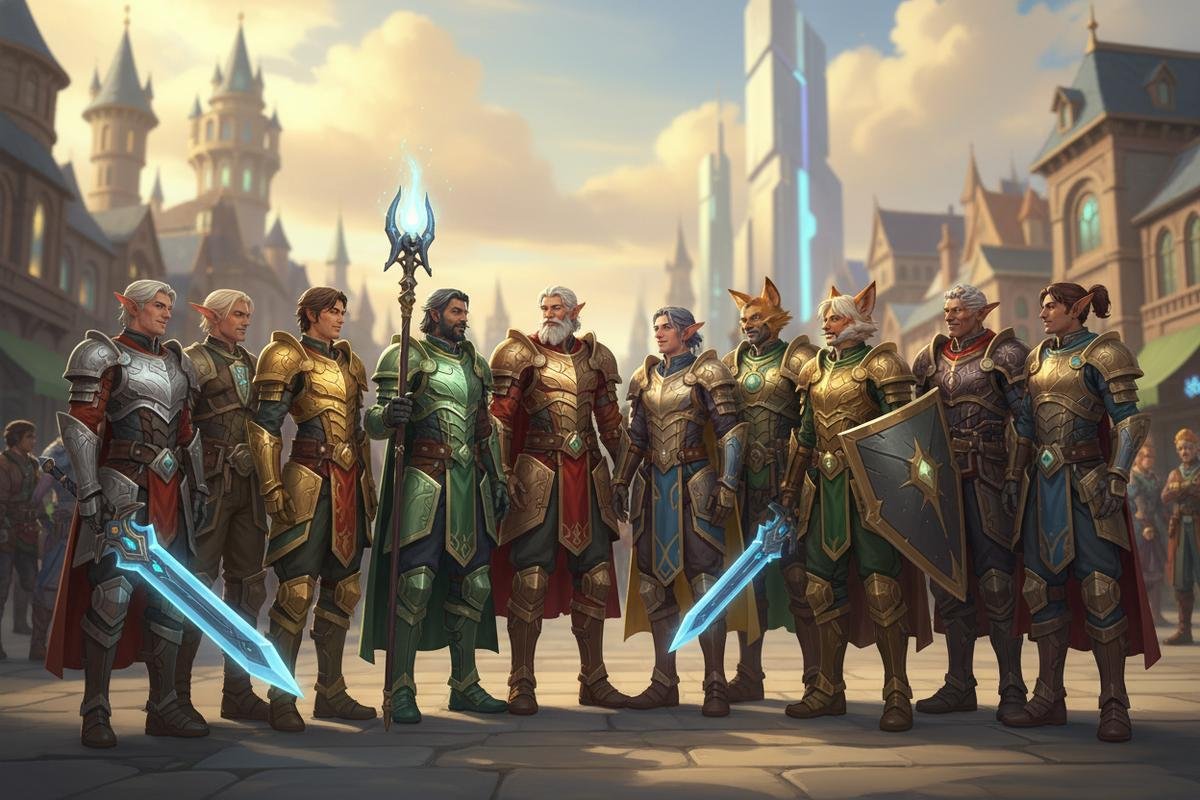
Most people assume that simply adding diverse avatars or skin tones solves representation gaps. However, this often leads to tokenism – where character options exist but lack narrative depth or cultural authenticity. In practice, this can alienate players seeking genuine connection rather than cosmetic differences. MMORPGs that overlook inclusive storylines or community-building risk creating environments where diversity feels performative, not lived.
Another common mistake is neglecting player feedback after launch. Developers may present inclusive features initially but fail to iterate based on community responses, which can stall progress and breed frustration.
Actionable Inclusivity: What Works in MMORPG Design
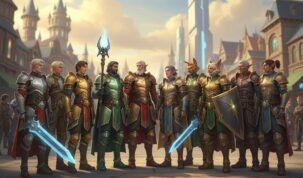
In the current landscape, a growing portion of MMORPG developers focus on integrating inclusivity beyond character creation. This means weaving diverse cultural backgrounds, gender identities, and ethical choices into the core narrative and gameplay mechanics. For players, this approach often leads to richer engagement and a stronger sense of belonging.
Community responses frequently highlight appreciation for storylines that avoid stereotypes and allow players to explore identity in meaningful ways. Developer interviews reveal that continuous dialogue with their player base shapes ongoing adjustments and expansions.
Common Mistakes and Pitfalls in Inclusive MMORPG Design
- Mistake 1: Prioritising Appearance Over Narrative – Offering diverse avatars without inclusive stories leads to shallow experiences and player disengagement. Players quickly notice when character diversity is surface-level and unconnected to meaningful content.
- Mistake 2: Ignoring Community Input Post-Launch – Failing to adapt based on player feedback can stall inclusivity efforts and damage trust. Without ongoing engagement, developers miss evolving community needs and risk alienating their player base.
- Mistake 3: Overgeneralising Identity Groups – Assuming a single representation fits all players under one category risks alienating nuanced identities. For instance, lumping all LGBTQ+ experiences into one token character can feel dismissive rather than inclusive.
- Mistake 4: Using Stereotypes Under the Guise of Representation – Including diverse characters but relying on clichés or caricatures reinforces harmful tropes rather than celebrating authentic diversity.
- Mistake 5: Neglecting Accessibility in Inclusivity – Inclusive design should also consider players with disabilities. Overlooking options such as screen readers, subtitles, or adjustable controls undermines the inclusivity goal.
- Mistake 6: Overcomplicating Inclusivity to the Point of Exclusion – While depth is important, making inclusivity elements convoluted or opaque can overwhelm players, especially newcomers, leading to frustration rather than connection.
- Mistake 7: Failing to Address Toxicity and Harassment – Without strong moderation and community guidelines that promote inclusivity, toxic behaviour can undermine inclusive design efforts, making diverse players feel unsafe or unwelcome.
- Mistake 8: Ignoring Intersectionality – Treating identity categories in isolation rather than recognising overlapping and intersecting identities reduces the authenticity of representation and can exclude complex player experiences.
When Not to Use This Approach
- Not for Fast-Paced Casual Gamers – Players looking for quick, surface-level diversity may find deep inclusivity elements slow or distracting. Games focused on rapid action or minimal story may not benefit from extensive inclusivity narratives.
- Not Suitable for Games Without Community Interaction – MMORPGs that lack social features may not benefit from extensive inclusivity design focused on player identity exploration. Without meaningful player interaction, inclusivity efforts in narrative or ethical choices may go unnoticed.
- Not Ideal for Titles Prioritising Competitive Balance Over Story – In games where competitive fairness or mechanical precision is paramount, investing heavily in complex inclusivity narratives might detract from core gameplay focus.
- Not Recommended for Games with Limited Resources – Smaller development teams or indie projects may struggle to implement and maintain deep inclusivity features, risking half-baked or inconsistent representation.
- Not for Players Seeking Escapism Without Real-World Themes – Some players prefer fantasy worlds untouched by modern sociocultural issues. In these cases, heavy inclusivity themes might feel intrusive or detract from immersion.
- Not Suitable for Games Targeting Older Hardware or Limited Platforms – Complex inclusivity features, especially those involving dynamic storylines or accessibility options, can demand higher system resources, making them less viable for games running on older machines or limited devices.
- Not for Games With Very Short Play Sessions – Titles designed for brief, drop-in play may not offer enough time for players to engage with or appreciate nuanced inclusivity elements embedded in story or community interactions.
Before-You-Start Checklist
- ☐ Identify if the MMORPG supports narrative depth beyond character creation.
- ☐ Check how the game incorporates player feedback on inclusivity.
- ☐ Evaluate the diversity of storylines and ethical choices offered.
- ☐ Review community discussions to gauge real player experiences.
- ☐ Confirm ongoing developer support and updates related to inclusivity.
- ☐ Assess accessibility features that support players with disabilities.
- ☐ Look for transparency from developers about their inclusivity goals and challenges.
- ☐ Determine the balance between inclusivity content and core gameplay mechanics.
- ☐ Explore if the game offers options for nuanced identity expression rather than broad categories.
- ☐ Verify whether inclusivity extends to in-game events, community moderation, and social spaces.
- ☐ Check if the game’s moderation policies actively protect against harassment and promote respectful behaviour.
- ☐ Understand how intersectional identities are represented and supported within the game’s content.
- ☐ Investigate the availability of localisation and cultural adaptations that respect diverse player backgrounds.
- ☐ Confirm that accessibility options are easy to find and customise according to individual player needs.
Trade-Offs to Consider
- What You Sacrifice: Time and immersion may increase as inclusive narratives often require more engagement than simple cosmetic options. Players might need to invest effort in understanding diverse story arcs or ethical dilemmas, which can slow pacing. This can be a barrier for those seeking fast or straightforward gameplay experiences.
- Hidden Costs: Developers investing in inclusivity might extend development timelines and require more resources for community management. This includes hiring cultural consultants, running feedback sessions, and maintaining active moderation teams to ensure a safe environment. These commitments can strain budgets and divert attention from other aspects of game design.
- Complexity vs. Usability: Balancing rich inclusivity features with user-friendly interfaces is challenging. Overly complex systems can alienate players unfamiliar with certain identities or cultural references, while oversimplification risks shallow representation.
- Community Division: Introducing deep inclusivity elements may lead to divided player opinions, with some embracing diversity and others resisting changes. Managing such dynamics requires careful communication and ongoing dialogue.
- Ongoing Maintenance: Inclusivity is not a one-time implementation but requires continual updates and responsiveness to emerging issues or player concerns, which demands sustained developer commitment.