Mmos World
Analyzing the Pros and Cons of Skill-Based Progression Systems
Understanding when skill-based systems help or hinder your experience is crucial. This article is not for those seeking a simple overview but for players and developers weighing real gameplay impacts.
Common Mistakes When Adopting Skill-Based Progression
Most people assume skill-based progression naturally enhances player freedom, but this can lead to unintended consequences:
- Ignoring Balance Complexity: Many developers underestimate how variable skill growth can unbalance PvP and PvE. When players specialise unevenly, some abilities overshadow others, which often frustrates those favouring traditional progression.
- Overlooking Player Motivation: A common mistake is assuming all players prefer organic skill growth. In practice, some players find skill-grinding tedious or directionless without clear level milestones, reducing long-term engagement.
- Failing to Manage Progression Clarity: Without transparent feedback, players may feel lost about how their skills improve or relate to overall power. This often leads to confusion and dissatisfaction.
- Neglecting Skill Synergies: Overlooking how individual skills interact can cause imbalance or limit meaningful combinations. Failing to design for synergy can make progression feel disjointed rather than cohesive.
- Underestimating Skill Decay or Atrophy: Some systems do not account for skills deteriorating when unused, which can frustrate players who wish to experiment with different playstyles or switch roles.
- Inadequate Tutorial and Onboarding: Developers often forget that skill-based systems require thorough tutorials to explain progression mechanics. Without this, new players may become overwhelmed or disengaged.
- Failure to Address Grind Fatigue: If skill improvement relies heavily on repetitive actions, players may experience burnout, seeing progression as a chore rather than an achievement.
When Not to Use Skill-Based Progression
This system is not ideal in certain scenarios that can undermine player satisfaction:
- If your player base prefers clear, structured goals: Skill-based progression can feel vague compared to traditional level systems, which offer straightforward advancement and rewards.
- When rapid early-game progression is critical: Skill-based systems may slow initial growth, leading to frustration for new players seeking quick gratification.
- If your game design relies heavily on narrative milestones: Skill-based progression often lacks defined moments of achievement, which can dilute the impact of story-driven rewards.
- When you need consistent power scaling across players: Skill-based systems can produce uneven power levels, complicating matchmaking and group dynamics.
- If your player community values competitive fairness above all: The variability inherent in skill-based growth can create perceived imbalances that frustrate competitive players.
- When resources for ongoing balancing are limited: Skill-based systems demand continual adjustment to avoid exploits and maintain fairness, which may be unsustainable for smaller teams.
Before-You-Start Checklist for Skill-Based MMORPG Design
To better prepare for implementing skill-based progression, consider these checks:
- ☐ Assess how skill variance might affect PvP and PvE balance
- ☐ Ensure progression feedback is clear and meaningful to players
- ☐ Plan for player motivation beyond mere skill usage frequency
- ☐ Evaluate if your player community prefers organic growth over milestones
- ☐ Test how skill progression integrates with existing reward systems
- ☐ Design comprehensive tutorials and onboarding for new players
- ☐ Consider mechanisms to prevent skill decay or atrophy unless intentionally designed
- ☐ Prepare strategies to mitigate grind fatigue and repetitive gameplay
- ☐ Analyse potential skill synergies and interactions to foster diverse playstyles
- ☐ Plan for ongoing balancing efforts to maintain fairness and engagement
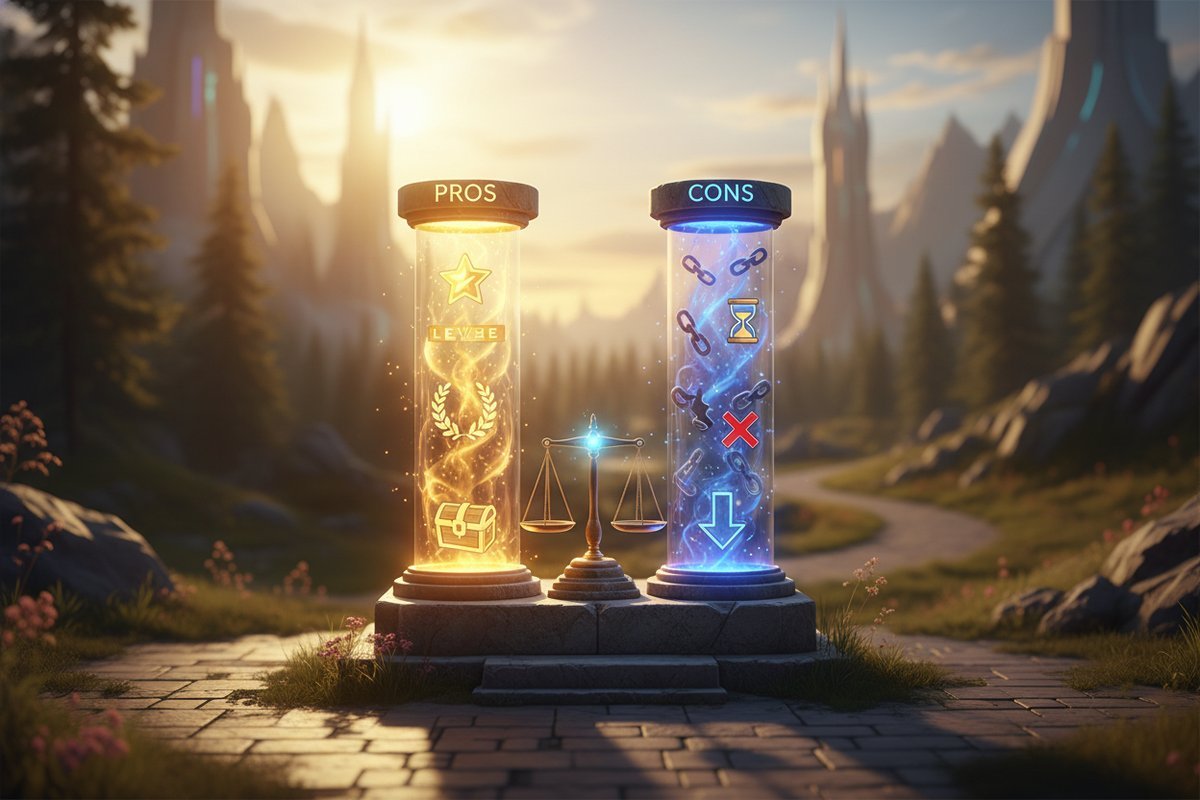
Trade-Offs of Skill-Based Progression Systems
Choosing skill-based progression involves balancing benefits against hidden costs:
- Flexibility vs. Complexity: While allowing customisation, skill-based systems add design complexity that can confuse players and complicate balance. Developers must invest significant time to fine-tune progression curves and interactions, which can delay development and increase maintenance.
- Player Agency vs. Engagement: Greater freedom may lead some players to feel directionless, potentially decreasing engagement for those who favour clear objectives. Without structured milestones, players may struggle to identify meaningful goals, impacting retention.
- Realism vs. Reward Feedback: Skill growth can mimic realistic learning curves but often lacks the instant gratification that level-ups provide, risking player frustration. This trade-off calls for creative feedback systems that acknowledge incremental improvements.
- Customisation vs. Balance: Offering vast skill choices enhances personalisation but makes balancing PvP and PvE encounters more challenging. Overpowered skill combinations can emerge, undermining fairness and competitive integrity.
- Player Freedom vs. Narrative Pacing: Skill-based progression can disrupt tightly controlled narrative pacing, as players may advance abilities at different rates, potentially missing key story moments or rewards.
- Adaptability vs. Resource Investment: While adaptable to diverse playstyles, maintaining a skill-based system demands ongoing monitoring and iteration, which may strain development resources especially for smaller teams.
How to Choose Between Skill-Based and Traditional Systems
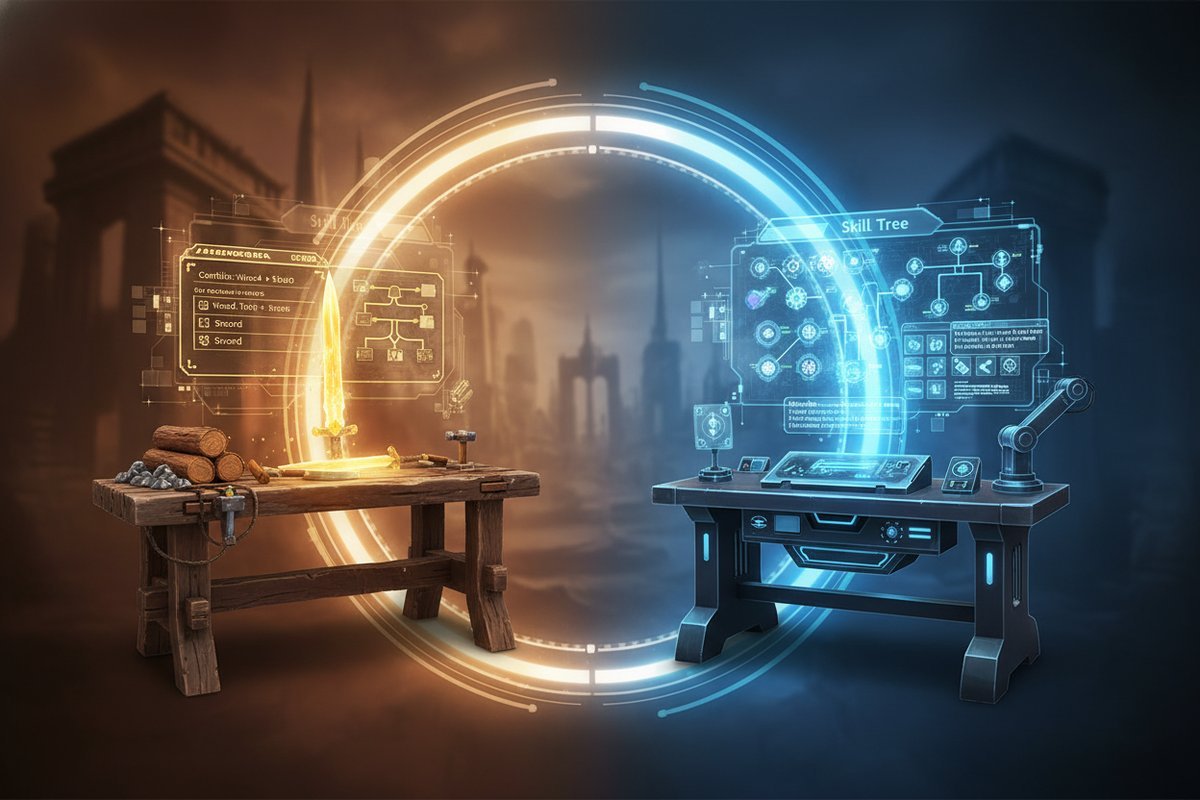
Deciding on progression system hinges on your audience and design goals. If your players value freedom and organic growth, skill-based systems offer nuanced engagement but demand careful balance and clarity. If your community prefers clear goals and rapid feedback, traditional level systems remain more effective. Combining elements of both might address diverse player needs but requires extra development effort.
Overall, skill-based progression is not a one-size-fits-all solution; recognising its pitfalls and trade-offs helps avoid common mistakes and better align game design with player expectations.
This content is based on publicly available information, general industry patterns, and editorial analysis. It is intended for informational purposes and does not replace professional or local advice.
FAQ
When should I avoid skill-based progression in an MMORPG?
Avoid it if your players prefer clear level milestones or if fast early-game progression is important, as skill-based systems can feel vague and slow initially.