Mmos World
Ranking the Best MMORPG Expansions Released in the Past Year: Our Definitive Verdict
Deciding on an MMORPG expansion isn’t just about hype—it’s about matching content and improvements to your preferred playstyle. This guide helps players avoid common pitfalls and select expansions that genuinely enhance their experience. It’s not for those seeking casual, short-term play or solely narrative-driven updates.
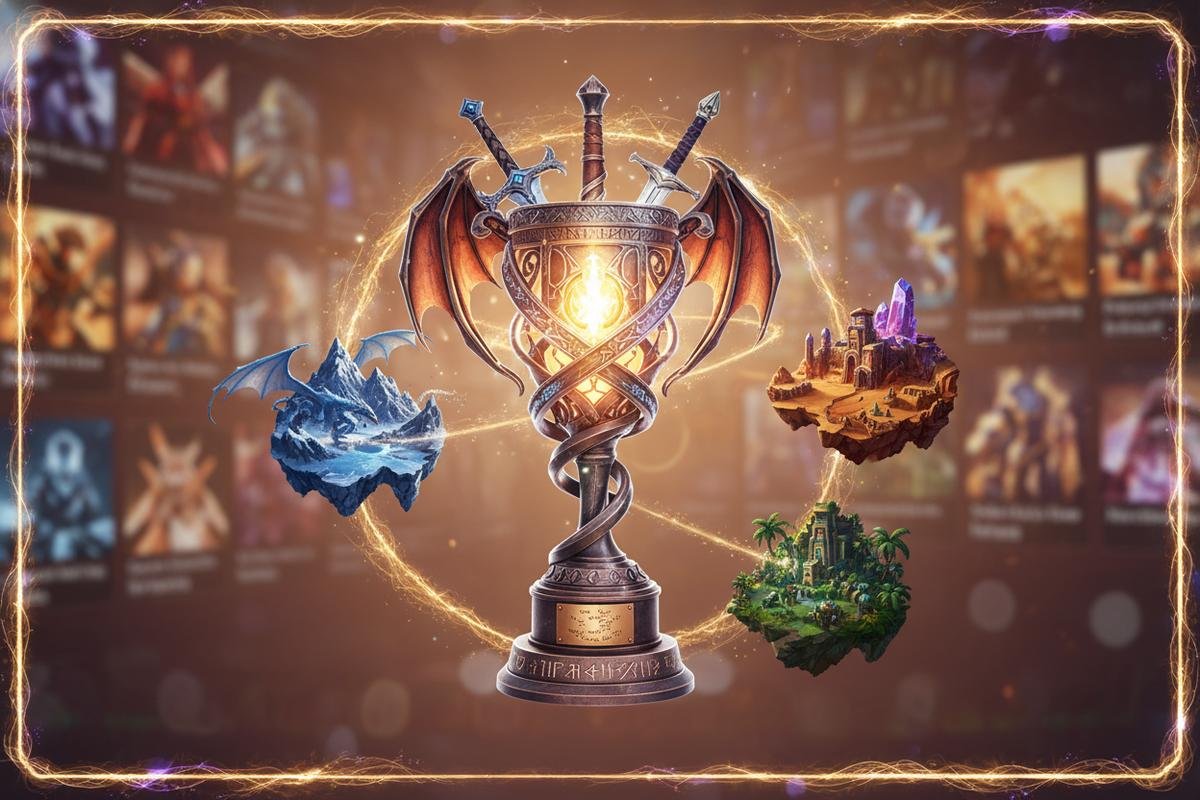
The real question is: Which expansion truly fits your gameplay preferences?
With numerous MMORPG expansions launched over the past year, it’s tempting to pick the most popular or flashy option. However, not every expansion delivers equal value across different playstyles. Understanding what each offers-and where it falls short-can save you from frustration and wasted effort.
Expansion A: Best for PvE-focused players seeking fresh endgame content
Best for: Players who prioritise cooperative raids, dungeons, and story-driven PvE challenges. Expansion A introduces extensive new zones with layered questlines and revamped raid mechanics that refresh group content.
Not for: Those who prefer solo play or PvP, as the pacing heavily relies on group progression and depends on gear grind that may feel repetitive to solo adventurers.
Expansion B: Best for PvP enthusiasts aiming for competitive balance updates
Best for: Gamers seeking improved PvP systems, including new battlegrounds and skill balancing that address long-standing class dominance issues. The expansion enhances competitive play with fresh tactics.
Not for: Players focused on narrative or casual exploration, as PvE content is minimal and often recycled from previous updates.
Expansion C: Best for solo players wanting flexible progression and crafting
Best for: Those valuing solo questing, open-world discovery, and crafting improvements. Expansion C expands crafting trees and introduces dynamic world events suitable for players who prefer less reliance on group activities.
Not for: Hardcore raiders and PvP-focused players, since endgame challenges and PvP systems receive limited attention.
Common Mistakes When Choosing an MMORPG Expansion
- Picking based on hype or popularity alone: Many players follow trends without checking if the content fits their playstyle, leading to disengagement when the expansion feels off.
- Ignoring hidden grind mechanics: Some expansions introduce heavy gear or reputation grinds that might not suit players looking for a balanced time investment.
- Overlooking meta shifts: Failing to consider how expansions alter the current game meta can result in choosing an expansion that makes your preferred class or role less viable.
- Underestimating the learning curve: Some expansions add complex new systems or mechanics that require significant time to master, which can deter players seeking straightforward gameplay.
- Neglecting community and developer support: Choosing an expansion without considering ongoing developer engagement or community feedback can lead to a less enjoyable experience if issues remain unresolved.
- Assuming all new content is accessible immediately: Some expansions gate key features behind lengthy questlines or achievements, which may frustrate players wanting instant gratification.
- Failing to assess hardware requirements: Certain expansions introduce enhanced graphics or visual effects that can strain older systems, potentially leading to performance issues.
- Disregarding time zone or server population impacts: New expansions might shift player activity patterns or cause server overcrowding, affecting matchmaking and in-game economy.
- Ignoring the expansion’s impact on social dynamics: Some expansions alter guild or party systems significantly, which can disrupt established player communities if not anticipated.
When Not to Use This Guide
- This guide is NOT for casual players interested primarily in storylines or brief gameplay spurts, as it focuses on value and progression optimisation rather than narrative appeal.
- It may also fall short for those seeking purely social or guild-driven experiences, since expansions are assessed mainly on gameplay mechanics and progression.
- Players looking for experimental or radically different gameplay styles should look elsewhere, as this guide focuses on established content and familiar mechanics.
- If you prioritise cosmetic rewards or purely aesthetic changes, this guide may not fully address your interests.
- Those who prefer single-player RPG experiences will find this guide less relevant, as it centres on MMORPG group and solo play dynamics.
- Players seeking expansions that heavily incorporate role-playing elements or sandbox features may find this guide lacking, as it emphasises structured gameplay progression.
- This guide is not suited for those interested in expansions with heavy microtransaction or pay-to-win elements, as it avoids discussing monetisation strategies.
- If your primary goal is to experience seasonal or limited-time events, this guide does not cover those specialised content types extensively.
Before-You-Start Checklist
- ☐ Assess your preferred playstyle: PvE, PvP, solo, group, crafting, or exploration
- ☐ Review current in-game meta and class viability changes introduced by expansions
- ☐ Consider your available playtime and willingness to engage in gear/reputation grinds
- ☐ Check community feedback focusing on gameplay improvements rather than hype
- ☐ Evaluate if new content aligns with your long-term progression goals
- ☐ Investigate the expansion’s impact on existing character builds or roles you enjoy
- ☐ Determine if the expansion introduces new mechanics that require additional learning or adaptation
- ☐ Confirm that the expansion’s endgame content matches your preferred difficulty and challenge level
- ☐ Check if the expansion supports your preferred social or solo play balance
- ☐ Review the expansion’s patch and update schedule for ongoing content support
- ☐ Verify the technical requirements and performance expectations for your hardware
- ☐ Consider the server population and time zone compatibility for optimal gameplay experience
- ☐ Analyze the expansion’s approach to monetisation and in-game purchases
- ☐ Explore how the expansion affects guild, party, or community systems relevant to your playstyle
- ☐ Assess whether the expansion’s visual and audio changes enhance or detract from your immersion
Trade-Offs to Consider
- Time investment vs. content depth: Some expansions demand significant time to unlock endgame content, which might sacrifice casual enjoyment. Deep, layered content often requires long-term commitment, while quicker expansions may lack lasting depth. Balancing these factors is key to maintaining interest without burnout.
- Group dependency vs. solo flexibility: Expansions enhancing group content often reduce solo-friendly options, potentially alienating solo players. Conversely, solo-focused expansions may lack rewarding group challenges that many players enjoy. Consider how much you value social interaction against your desire for independent play.
- Gameplay innovation vs. meta stability: Expansions that shake up the meta may offer fresh experiences but can disrupt your current build or playstyle. Stability favours familiarity but risks stagnation, while innovation demands adaptability. Your willingness to relearn or adjust can influence satisfaction.
- Progression grind vs. immediate rewards: Some expansions offer a slow, rewarding grind that delivers a sense of accomplishment, but this can feel tedious to some. Others provide faster progression with less depth, which might appeal to casual players but reduce long-term engagement. Finding a balance between these extremes is essential.
- Visual and technical enhancements vs. system compatibility: New expansions often bring improved graphics and effects, enhancing immersion but potentially causing performance issues on older devices. Deciding if the aesthetic upgrade is worth potential lag or crashes is an important trade-off.
- Community size and activity vs. server stability: Popular expansions increase player numbers, enriching social interactions but possibly leading to overcrowded servers and longer queue times. Less busy expansions might offer smoother performance but fewer social opportunities.
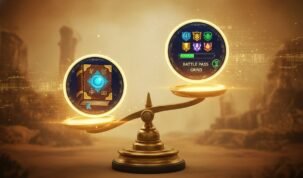
- Monetisation features vs. gameplay purity: Some expansions incorporate microtransactions or battle passes that can impact gameplay balance or player satisfaction. Weighing the presence of these features against your tolerance for in-game purchases is vital.