Mmos World
Tencent Announces Strategic Partnership to Develop Next-Gen MMORPG Tech
Understanding Tencent’s new partnership is crucial if you aim to leverage AI and cloud tech in MMORPGs. However, this insight is less relevant if you prefer traditional development methods or small-scale projects.
Tencent’s Latest Move: What’s New?
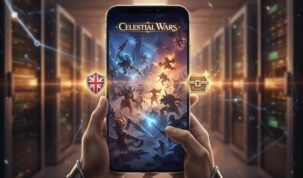
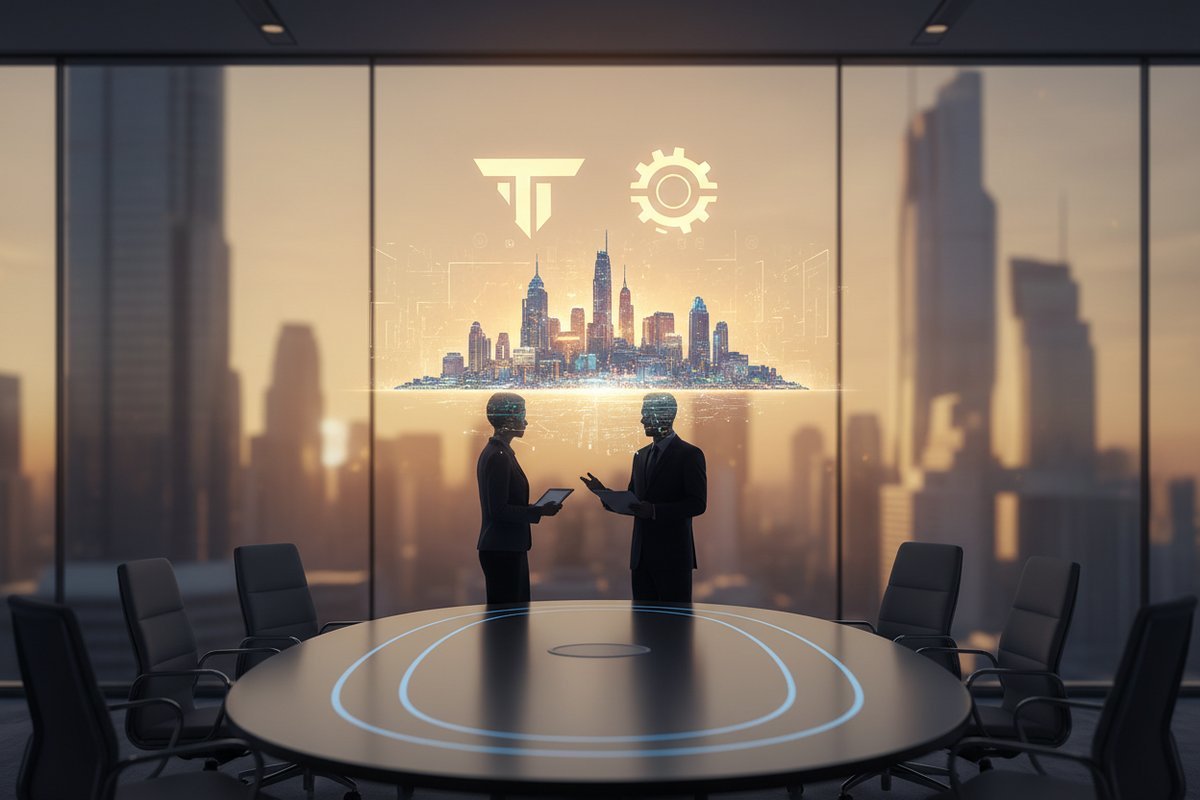
Tencent has announced a strategic partnership centred on the integration of advanced AI and cloud computing technologies to redefine MMORPG development. Unlike typical announcements, this collaboration focuses on deeply embedding these technologies to potentially transform gameplay mechanics and backend processes.
For MMORPG developers and industry watchers, this suggests a shift towards more dynamic, responsive game worlds that adapt in real time, possibly enhancing player immersion and operational efficiency.
Common Mistakes in Adopting New MMORPG Tech
- Overestimating AI Capabilities: Many developers assume AI can autonomously solve complex design challenges, but in practice, this often leads to underwhelming player experiences due to lack of nuanced human input.
- Ignoring Cloud Infrastructure Limits: Relying heavily on cloud tech without accounting for latency and data management can result in inconsistent gameplay performance, frustrating players.
- Neglecting Integration Complexity: Attempting to retrofit existing MMORPG engines with cutting-edge AI and cloud tools often causes compatibility issues, delaying development and increasing costs.
- Underestimating Data Privacy and Security: Failing to address data protection when leveraging cloud services can expose player information to vulnerabilities, leading to trust issues and potential legal challenges.
- Inadequate Testing of AI Behaviour: Insufficient QA on AI-generated content or behaviours can cause unpredictable gameplay outcomes, harming player satisfaction and retention.
- Poor Resource Allocation: Allocating a disproportionate budget to AI and cloud features at the expense of core gameplay development may lead to an unbalanced and unsatisfactory game experience.
When Not to Invest in AI-Cloud MMORPG Development
This approach is not advisable if your project targets niche audiences with simpler gameplay needs, as the complexity and cost may outweigh benefits. Similarly, if your team lacks expertise in AI or cloud systems, attempting to implement these technologies without proper groundwork could hamper progress.
Additionally, projects prioritising rapid prototyping over long-term scalability might find this partnership’s tech less applicable.
Other scenarios where this may not be appropriate include titles with limited budgets that cannot absorb the potential overruns associated with integrating advanced technologies, or projects with very tight release schedules where additional development complexity could lead to missed deadlines.
Furthermore, if your MMORPG is designed to operate primarily offline or in low-connectivity environments, cloud-based solutions may introduce unnecessary dependencies and technical risks.
Before-You-Start Checklist
- ☐ Assess your team’s familiarity with AI and cloud platforms relevant to MMORPGs
- ☐ Evaluate current game engine compatibility with AI-driven enhancements
- ☐ Identify specific gameplay areas that could benefit from adaptive AI features
- ☐ Consider infrastructure needs to minimise latency and ensure stable cloud service integration
- ☐ Plan for incremental implementation to manage integration risks and costs
- ☐ Develop a comprehensive data security and privacy strategy aligned with cloud services
- ☐ Prepare for extensive testing cycles to validate AI behaviours and cloud performance
- ☐ Budget for ongoing operational costs, including cloud service fees and maintenance
- ☐ Engage cross-disciplinary teams early to address integration challenges and workflow changes
Trade-Offs to Consider
Adopting Tencent’s AI and cloud partnership tech may offer enhanced gameplay and operational efficiencies but comes with trade-offs:
- Increased Development Complexity: Integrating cutting-edge tech often complicates workflows, requiring specialised skills and new testing protocols. Teams must adapt to new development pipelines and potentially retrain staff, which can slow progress initially.
- Potential Hidden Costs: Cloud services and AI tools may introduce ongoing expenses that are not apparent upfront, impacting budgets. These costs can include data transfer fees, scaling charges during peak usage, and investments in monitoring and security tools.
- Longer Time-to-Market: The sophistication of AI-cloud integration can extend development timelines, delaying product launches. Balancing iteration cycles for AI tuning and ensuring stable cloud connectivity adds layers to project management.
- Dependency on External Providers: Relying on third-party cloud platforms may reduce control over infrastructure and expose projects to service disruptions or changes in pricing models.
- Risk of Over-Engineering: Pushing for maximal AI and cloud utilisation can lead to feature bloat or overly complex systems that detract from core gameplay and usability.
What This Means for You
If you are an MMORPG developer or analyst, Tencent’s partnership highlights a growing industry pattern emphasizing AI and cloud as enablers of next-generation game experiences. To stay competitive, carefully weighing the complexity and costs against potential gameplay innovation is essential.
For dedicated gamers, this collaboration signals a future where MMORPGs might offer richer, more adaptive worlds, though the pace and scope of these changes may vary widely across titles.
What to Watch Next
Keep an eye on how Tencent and its partners implement these technologies in upcoming MMORPG releases. Observing early case studies of AI-driven gameplay elements and cloud-enabled scalability will provide practical insights into real-world benefits and challenges.
Additionally, monitoring broader industry responses to this partnership may reveal whether this approach becomes a new standard or remains a niche innovation.
FAQ
Should I adopt Tencent’s AI and cloud tech for my MMORPG project?
Consider your team’s expertise and project scale; if you have resources to manage complex integration and seek advanced gameplay features, it may be beneficial. Otherwise, traditional methods might suit better.