Mmos World
WoW Midnight: Choosing Between Private Plots and Community Neighborhoods
The housing system in World of Warcraft: Midnight represents the most significant social feature since the introduction of Guild Halls. However, it forces players to make a semi-permanent choice between autonomy and community progression. For players on high-population realms like Argent Dawn, Silvermoon, or Draenor, this decision determines whether you fight for space in a dynamic shard or settle comfortably in a curated, yet politically charged, instance.
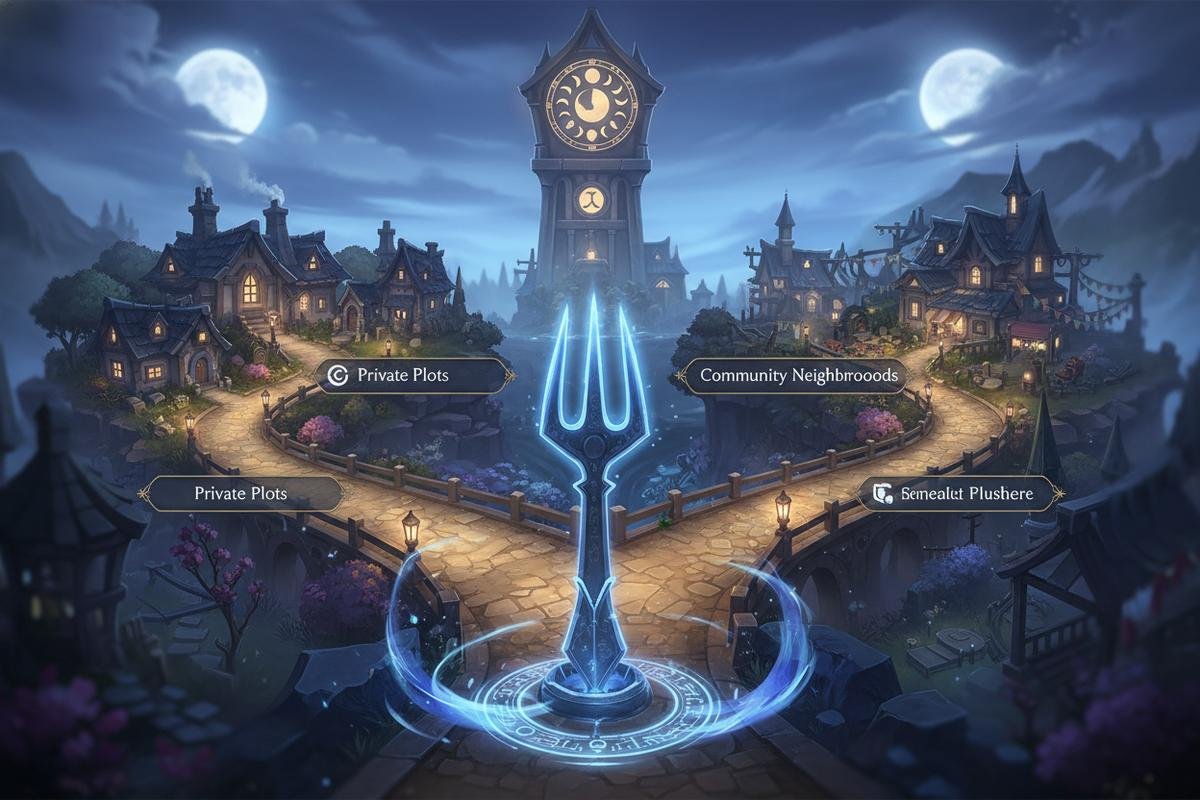
The Core Decision: Control vs. Convenience
In World of Warcraft: Midnight, the housing system splits into two distinct paths: Public Neighbourhoods and Private Neighbourhoods. The latter is further split into Guild and Charter types. Your choice dictates not just who your neighbours are, but who holds the power over your virtual land.
This system fundamentally changes how players interact with the world. Unlike the instanced Garrisons of Warlords of Draenor, which were solitary experiences, Midnight housing is inherently social. Public zones offer safety and anonymity, while Private zones offer community progression at the cost of potential politics. Understanding the technical and social differences is vital before you invest thousands of gold into blueprints and materials.
Private Neighbourhoods: The High-Risk, High-Reward Option
Private Neighbourhoods are curated instances managed directly by players. They come in two forms: Guild Neighbourhoods (automatically rostered based on guild membership) and Charter Neighbourhoods (requiring 10 initial signatures to form). The appeal is obvious: you can curate a themed community, perhaps a roleplaying hub in Founder’s Point or a raiding enclave in Razorwind Shores.
However, the trade-off is stability. In a Charter Neighbourhood, the owner (the Charter Signatory) has the absolute power to remove members. Observations from the December Early Access period suggest that “drama kicks” are a real threat. If you are removed from the Charter, you lose access to that specific neighbourhood instance immediately. While the game system refunds your furniture items to your mailbox, finding a new plot in a desirable zone can be incredibly difficult during peak times, and you lose any “Neighbourhood Favor” reputation you had accrued.
The Charter Process Explained
Creating a Charter Neighbourhood is not as simple as buying a guild tabard. You must visit the Housing Administrator in the new capital hub and purchase a “Registry Scroll” for 20,000 gold. Once obtained, you need 10 distinct account signatures.
This is where many UK players fail; they rely on random signatures from trade chat. If those signatories leave the game or the neighbourhood, the instance degrades in “Stability.” If Stability drops below 50%, the instance risks being dissolved by the server during the weekly reset. For a secure home, you need a dedicated group of friends or a static raid team. You can verify the current stability mechanics on World of Warcraft under the ‘Game Guide’ section.
The “Endeavour” Factor: Why Community Matters
Private communities are best for organised groups because of Endeavours-weekly community tasks that yield cosmetic rewards and player power buffs. These are not solo quests; they require coordinated effort from at least five residents.
Examples of Endeavours include:
- The Great Feast: Residents must contribute cooking materials (fish, meat, spices) to a central pot within a 1-hour window.
- Structural Defense: Waves of NPCs attack the neighbourhood gates, requiring tanks and healers to defend the zone.
- Garden Cultivation: Players must channel water and plant seeds simultaneously in the communal garden plots.
A coordinated UK guild can schedule these events around 20:00 GMT/BST, ensuring maximum participation for unlocking the “Neighborhood Favor” rewards. In a disorganized Public zone, completing these group tasks is often impossible due to the lack of communication, meaning Public residents often miss out on the Tier 3 transmog rewards associated with high Favor.
Public Neighbourhoods: The Safe Bet
Public Neighbourhoods are instances managed entirely by the game servers. When one fills up (approx. 50 plots), a new one spins up automatically. This system mirrors the “sharding” technology Blizzard has used for years. You cannot be kicked by a tyrannical neighbour, and you don’t need to sign a petition to enter.
The Downsides of Anarchy
The downside is the lack of cohesion. You might end up next to a player who builds a neon-green fel tower that clashes violently with your rustic Grizzly Hills theme. There is no homeowner association to enforce aesthetic rules. Additionally, coordinating Endeavours requires using general chat (/1) with strangers, which can be unreliable and often toxic.
For players who treat World of Warcraft as a solo RPG, Public Neighbourhoods are the correct choice. You gain a permanent recall point and storage access without the social obligation of logging in for “Garden Duty” every Wednesday night.
Economic Impact: The Cost of Decorating
Regardless of where you live, furnishing your home will be the primary gold sink of the Midnight expansion. The “Steward” NPCs sell essential utility items, but the best aesthetic items are crafted.
Market trends from Early Access indicate a massive spike in legacy materials. UK players should be aware of the following high-value items:
- Lightless Silk: Used for dark, gothic curtains appropriate for Revendreth-themed builds.
- Arathi Weave: Essential for the new high-resolution Alliance tapestries.
- Elementium Ore: Required for smelting the frames of large outdoor lanterns.
If you are not interested in housing, now is the time to liquidate these stocks. If you are, start farming now. You can track current material prices and trends on IGN under their ‘Wikis’ and strategy guides section to see which legacy raids offer the best yield per hour.
Common Mistakes to Avoid
New homeowners often rush into the first open slot they find. Avoid these specific errors that have already cost players gold and time:
1. The Charter Trap
Joining a “random” Charter just to get into a specific instance is dangerous. If the group dissolves or the leader quits, the neighbourhood can become defunct. Always vet the Charter owner. Do they have an active guild? Do they play during your time zone?
2. Ignoring Biome Lock
Buying a plot in a zone that doesn’t match your furniture is a rookie error. Founder’s Point has a strict Alliance/Human aesthetic that forces certain architectural styles. If you try to place Horde-themed spikes or Orcish huts there, the “Biome Harmony” system may prevent you from placing the items, or they may look graphically broken due to clipping. Visit the zones first.
3. Over-investing in Temporary Plots
Spending hours customising a plot in a Guild Neighbourhood when you are only a “Trial” member is risky. Guild masters have a “Vacate Plot” button. If you fail your trial or have an argument with an officer, you can be homeless in seconds. Public plots do not have this risk.
When Private Neighbourhoods Do NOT Work
Despite the allure of a guild village, the Private system is not for everyone. You should avoid this option if:
- You are a Solo Player: If you play unsociable hours (e.g., late night UK time) and cannot attend scheduled Endeavours, you will miss out on progression bonuses that Private groups demand.
- You Switch Guilds Often: Tying your home to your raid team is risky. If you leave the guild, you leave the neighbourhood. Public housing offers a permanent base regardless of your guild tag.
- You Dislike “Admin”: Owning a Charter requires managing disputes between neighbours. If two residents fight over plot boundaries or decorations, you have to mediate.
Your Preparation Checklist
With the full launch arriving in March 2026, use this checklist to secure your ideal spot:
- Confirm Expansion Access: Ensure you have the Midnight expansion active on your account. You can verify your game license status on Blizzard under ‘Account Settings’.
- Hoard Legacy Materials: Stockpile items like Lightless Silk (Shadowlands) and Ohn’ahran Fur (Dragonflight) for crafting.
- Scout the Zones: Visit the instance portals for Founder’s Point and Razorwind Shores now to decide which biome suits your style.
- Form Your Ten: If starting a Charter, secure your 10 signatures before launch day. Use Discord or guild forums to lock these people in.
- Check Hardware Requirements: Housing zones are graphically intensive due to the number of custom objects. Check if your PC is ready on TechRadar under ‘Computing’ and components news.
- Save Gold for Decor: While plots have no upkeep, the initial purchase and the “Steward” utility items will cost upwards of 50,000 gold.
The Trade-offs and Final Verdict
Ultimately, your choice forces a compromise between social power and individual security. The housing system in Midnight is designed to make you choose between being a citizen of a community or a lone homeowner.
Choose Public if: You value security above all else. You want to decorate your home at your own pace, ignore community events, and never worry about logging in to find you have been kicked. This is the best option for casual players and those with limited playtime.
Choose Private if: You want to engage with the “Endeavour” system and earn the exclusive cosmetic rewards. If you are part of a stable UK raiding guild like those found on Argent Dawn or Draenor, a Private Guild Neighbourhood creates a fantastic sense of immersion and shared identity.
For most stable raiding guilds, a Private Guild Neighbourhood is the superior choice. For everyone else, the safety of a Public plot is likely worth the lack of curated neighbours. As launch day approaches, keep an eye on server stability news on BBC under their ‘Technology’ section to gauge how the sharding tech holds up under the weight of thousands of new homeowners.